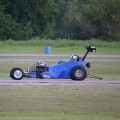
Competitive drag racing requires more than powerful engines and skilled drivers. Proper vehicle preparation plays a critical role in ensuring safety, reliability, and consistent performance throughout racing events. Unlike everyday driving, drag racing places significant stress on engines, transmissions, tires, and braking systems within a short period. Vehicles must withstand rapid acceleration, intense mechanical forces, and demanding track conditions. Thorough inspections and preventative maintenance help drivers identify potential problems before entering competitions, reducing the likelihood of mechanical failures and unexpected interruptions.
Inspecting Essential Mechanical Components
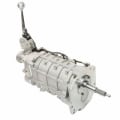
Before participating in a drag racing event, drivers should carefully inspect their vehicles' mechanical systems. Engine components, cooling systems, transmission fluids, and fuel delivery equipment require particular attention because they experience considerable stress during high-performance operation. Braking systems must also function effectively to ensure controlled deceleration after crossing the finish line. Checking for fluid leaks, worn belts, loose connections, and damaged components helps prevent mechanical issues that could compromise vehicle safety or performance.
Prioritizing Tire Condition and Vehicle Stability
Tires significantly influence traction, acceleration, and overall vehicle control during drag racing. Drivers should select tires appropriate for their racing category and track conditions while following manufacturer recommendations. Proper tire pressure, alignment, and suspension adjustments contribute to predictable handling and efficient power transfer. Inspecting wheel fasteners and suspension components before competition further reduces the risk of equipment failure during high-speed runs.
Preparing for Unexpected Mechanical Emergencies
Even properly maintained racing vehicles can experience unexpected mechanical problems during competitive events. Drivers should establish transportation and emergency assistance plans before arriving at the track. Professional providers such as Road Angel Towing and Roadside Service may assist motorists when vehicle breakdowns require roadside support or towing arrangements. For specialized racing vehicles, competitors should confirm that transportation providers have equipment suitable for modified suspensions, low ground clearance, and other performance-related features. Having dependable recovery arrangements helps participants address unexpected difficulties without creating additional safety concerns.
Following Track Regulations and Safety Requirements
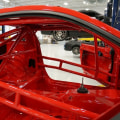
Competitive drag racing facilities establish safety regulations designed to protect drivers, spectators, and event personnel. Depending on the racing category, requirements may include approved helmets, seat belts, roll cages, fire suppression equipment, and other protective components. Drivers should review applicable technical inspection standards before participating. Proper preparation also involves securing loose objects, checking vehicle documentation, and following event procedures. By combining mechanical readiness, regulatory compliance, and responsible driving practices, competitors can improve racing consistency while prioritizing safety throughout organized drag racing events.