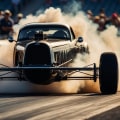
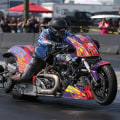
Drag racing is a thrilling motorsport that captivates enthusiasts and casual fans alike. It involves two vehicles racing down a straight track, typically a quarter-mile, to see which can reach the finish line first. This high-octane sport has its roots in the post-World War II era, evolving from informal street races into a structured and regulated competition. The adrenaline rush of acceleration, the roar of engines, and the camaraderie among racers contribute to its widespread appeal. The popularity of drag racing can be attributed to several factors.
For many, it represents not just a test of speed but also a showcase of engineering prowess and creativity. Participants often invest significant time and resources into modified or custom vehicles, pushing the limits of performance and design. This aspect fosters a vibrant community where enthusiasts share tips, techniques, and stories, creating a culture that celebrates innovation and passion for automotive excellence. Moreover, drag racing events are often family-friendly gatherings that draw large crowds, making them social occasions as much as competitive ones. Spectators enjoy the spectacle of powerful machines battling it out on the strip while engaging with fellow fans.
The culture surrounding drag racing is rich with traditions, from car shows to pit parties, making it an integral part of automotive history in the United States.
Can You Participate in Drag Racing with a Modified Vehicle?
Participating in drag racing with a modified or custom vehicle is not only possible but also quite common among enthusiasts. However, there are specific rules and regulations that you must adhere to in order to ensure your vehicle is eligible for competition.Understanding the Rules for Modified Cars in Drag Racing
- Safety Standards: Most drag racing events require vehicles to meet certain safety standards. This includes having proper safety equipment such as roll cages, harnesses, and fire extinguishers, especially for high-performance modifications.
- Classifications: Modified vehicles are often classified into different categories based on their modifications. Familiarize yourself with the classification system of the racing organization you plan to join, as this will determine your eligibility and the type of competition you can enter.
- Technical Inspections: Before you can race, your vehicle will likely need to pass a technical inspection.
This inspection checks for compliance with safety regulations and ensures that all modifications are within the allowed limits.
- Engine Modifications: Many drag racing events allow engine modifications, but there may be restrictions on the type and extent of these changes. Be sure to check if your specific modifications comply with the event's rules.
Can I Race My Custom Car?
If your custom car has been modified for performance, you can still participate in drag racing as long as it meets the necessary requirements. Many racers take pride in their custom builds and enjoy showcasing their unique vehicles on the track. Just remember that each racing venue may have its own set of rules regarding custom vehicles, so it’s essential to do your research ahead of time.In conclusion, participating in drag racing with a modified or custom vehicle is entirely feasible.
By understanding and adhering to the specific rules and regulations set forth by the racing organization, you can enjoy the thrill of competition while showcasing your unique automotive creations.
Types of Modifications Allowed in Drag Racing
When it comes to drag racing services, understanding the types of modifications that are allowed can significantly enhance your vehicle's performance and your overall racing experience. Here are some common modifications that are typically accepted in drag racing:- Engine Modifications: Upgrading your engine is one of the most impactful changes you can make. This includes installing a high-performance intake manifold, aftermarket exhaust systems, and tuning the engine for optimal power output. Turbochargers and superchargers are also popular choices for boosting horsepower.
- Suspension Upgrades: A well-tuned suspension system is crucial for maintaining traction during a race.
Upgrading to performance shocks, springs, and sway bars can help improve stability and handling, allowing for better acceleration off the line.
- Tires: The right tires can make a significant difference in drag racing. Drag radials or slicks provide better grip on the track, reducing wheel spin and improving launch times. Ensuring that your tires are properly inflated and suited for the conditions is essential.
- Weight Reduction: Reducing the weight of your vehicle can lead to faster times. This can be achieved by removing unnecessary components, such as rear seats or using lightweight materials for body panels.
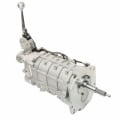
- Transmission Modifications: Upgrading your transmission can enhance shifting speed and reliability.
High-performance clutches and short-throw shifters allow for quicker gear changes, which is vital in drag racing.
Safety Regulations and Requirements for Modified Vehicles
When it comes to drag racing services, safety is paramount, especially for participants with modified or custom vehicles. Each racing venue has specific drag racing safety regulations that must be followed to ensure the well-being of drivers and spectators alike.Safety Requirements for Modified Cars
- Roll Cages: Most tracks require modified vehicles to have a roll cage installed.
This structure protects the driver in the event of a rollover or collision.
- Seat Belts: High-quality, multi-point harnesses are mandatory. Standard seat belts may not provide adequate protection at high speeds.
- Fire Extinguishers: A fire extinguisher must be easily accessible within the vehicle. Some tracks may require a specific type or size.
- Tires and Wheels: Tires must be rated for the speeds you intend to reach. Additionally, wheels should be in good condition and properly secured.
- Engine Modifications: Any modifications to the engine must comply with track regulations, including limits on horsepower and performance enhancements.
Essential Safety Gear for Drag Racing
- Helmet: A certified helmet is crucial.
It should meet the standards set by organizations like Snell or DOT.
- Suits: Fire-resistant racing suits are required to protect against burns in case of an accident.
- Gloves and Shoes: Fire-resistant gloves and shoes are also necessary to ensure full protection while driving.
Finding Drag Racing Services for Modified Vehicles
Finding drag racing services that cater to modified or custom vehicles can be an exciting journey for any car enthusiast. Whether you’re looking for a place to showcase your vehicle or simply want to experience the thrill of racing, knowing where to look is essential.Here are some tips to help you locate the best local drag strips:- Search Online: Use search engines to find drag racing services near me.
Include your city or region in the search query to get more accurate results.
- Social Media and Forums: Join local car enthusiast groups on platforms like Facebook or Reddit. These communities often share information about upcoming events and venues that welcome modified cars.
- Visit Local Auto Shops: Speak with professionals at local auto shops or performance centers. They often have connections with drag strips and can recommend places that accommodate custom vehicles.
- Check Event Calendars: Many drag strips have websites with event calendars. Look for events specifically designed for modified cars, as these will provide a more suitable environment for your vehicle.
- Safety Regulations: Ensure the venue has appropriate safety measures in place for modified vehicles, including tech inspections and safety gear requirements.
- Track Conditions: Look for tracks that are well-maintained and have a good reputation among racers.
This can significantly impact your racing experience.
- Community and Support: Choose venues that foster a welcoming community. A supportive environment can enhance your racing experience and provide valuable networking opportunities.
Common FAQs About Drag Racing with Modified Vehicles
When it comes to drag racing services, many enthusiasts wonder if their modified or custom vehicles are eligible to participate. Here are some common questions and answers that can help clarify your concerns:- Can I race my modified car? Yes, you can race a modified car, but it must comply with the specific rules and regulations set by the drag racing venue. Each track may have different requirements regarding modifications, so it's essential to check with the facility before you arrive.
- What modifications are allowed? Generally, performance enhancements such as upgraded engines, suspension systems, and tires are permitted.
However, safety modifications like roll cages and harnesses may also be required depending on your vehicle's power level.
- Are there any restrictions on custom vehicles? Custom vehicles can participate in drag racing as long as they meet the safety standards and technical specifications of the event. This includes having proper safety gear and ensuring that all modifications are within the guidelines.
- Do I need a special license to race? While a special racing license is not always required for amateur events, some tracks may require proof of experience or a racing school certification for high-performance vehicles. Always verify with the event organizers.
- What safety equipment do I need? Safety is paramount in drag racing. Depending on your vehicle's speed and modifications, you may need a helmet, fire suit, gloves, and other protective gear.
Check the specific requirements of the track you plan to race at.
Conclusion: Embracing the Thrill of Drag Racing with Your Custom Vehicle
In conclusion, participating in drag racing with a modified or custom vehicle is not only possible but can also be an exhilarating experience. As we have explored throughout this article, the world of drag racing services is welcoming to enthusiasts who have invested time and resources into enhancing their vehicles. Whether you own a classic muscle car or a modern sports coupe, there are numerous opportunities to showcase your customizations on the track.It’s essential to understand the regulations and safety requirements set by the racing organizations.Most tracks have specific guidelines regarding vehicle modifications, which are designed to ensure the safety of all participants. By adhering to these rules, you can enjoy the thrill of competition while keeping yourself and others safe.
- Research Local Tracks: Each drag strip may have different rules regarding modified vehicles. Make sure to check with your local track for their specific regulations.
- Safety First: Invest in necessary safety gear and modifications that meet the standards required for drag racing.
- Join a Community: Engaging with fellow racers can provide valuable insights and tips on how to optimize your vehicle for performance.
So gear up, hit the track, and let your passion for speed and customization shine!.