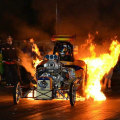
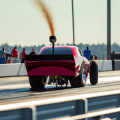
Drag racing is an exhilarating motorsport that captivates enthusiasts and casual fans alike. It involves two vehicles racing down a straight track, competing for the best time over a short distance, typically a quarter-mile. As thrilling as it is, participating in drag racing requires more than just a fast car and a need for speed; understanding the licensing requirements is crucial for anyone looking to engage in this high-octane sport. The world of drag racing services encompasses various aspects, from track management to vehicle preparation and safety regulations. Each racing venue may have its own set of rules regarding who can participate, often necessitating specific licenses or permits.
These requirements are designed not only to ensure the safety of the drivers but also to maintain fair competition among participants. Therefore, before you rev your engine and hit the track, it’s essential to familiarize yourself with these regulations. Whether you are a seasoned racer or a newcomer eager to experience the thrill of drag racing, understanding the licensing landscape will help you navigate the complexities of this sport. In the following sections, we will delve deeper into what types of licenses are required, how to obtain them, and why they are vital for a successful and safe drag racing experience.
What is Drag Racing?
Drag racing is a high-octane motorsport that involves two vehicles racing down a straight track, typically a quarter-mile long, to see which can reach the finish line first. This thrilling competition has its roots in the early 20th century, evolving from informal street races to organized events held at dedicated tracks.The sport has gained immense popularity, attracting both amateur enthusiasts and professional racers.At its core, drag racing is about speed and precision. Races are often conducted in a head-to-head format, where two competitors line up at the starting line, and upon receiving a green light signal, they accelerate their vehicles as quickly as possible. The winner is determined by who crosses the finish line first, with times recorded to the thousandth of a second.
Types of Drag Racing
- Pro Stock: This category features highly modified vehicles that resemble production cars but are equipped with powerful engines and advanced technology.
- Top Fuel: Known for its incredible speeds and rapid acceleration, Top Fuel dragsters are among the fastest racing vehicles in the world, reaching speeds over 330 mph.
- Funny Car: Similar to Top Fuel, Funny Cars have a unique body style and are known for their explosive power and dramatic appearances.
- Street Legal: This category allows everyday cars to compete, making drag racing accessible to a broader audience. These races often emphasize safety and adherence to local regulations.
Fans and participants alike share a passion for speed, engineering, and competition. As such, understanding the various types of drag racing can help newcomers appreciate the sport's diversity and complexity.In summary, drag racing is an exhilarating motorsport that combines speed, skill, and strategy. With its various categories catering to different levels of expertise and vehicle types, it offers something for everyone—from casual fans to serious competitors. This foundational knowledge sets the stage for understanding the licensing requirements necessary for participation in this exciting sport.
Licensing Requirements for Drag Racing
Participating in drag racing is an exhilarating experience, but it comes with specific licensing requirements that vary depending on the type of event and the vehicle used.Understanding these requirements is crucial for anyone looking to enter the world of drag racing.
Do I Need a License for Drag Racing?
In most cases, yes, you will need a license to participate in organized drag racing events. This is not only for safety reasons but also to ensure that all participants are aware of the rules and regulations governing the sport. The type of license required can depend on several factors, including your experience level and the class of vehicle you intend to race.Types of Licenses for Drag Racing
- NHRA License: The National Hot Rod Association (NHRA) offers various licenses based on performance levels. For instance, a Super Comp or Top Alcohol license requires more stringent testing and experience.
- IHRA License: The International Hot Rod Association (IHRA) also provides licensing options, which may differ slightly from NHRA requirements.
Their licenses are categorized by vehicle type and performance.
- Track-Specific Licenses: Some local tracks may have their own licensing requirements. It’s essential to check with the specific venue where you plan to race.
- Application: Fill out an application form provided by the licensing body.
- Driver Training: Complete a driver training program or school that covers safety protocols and racing techniques.
- Pass a Test: Successfully pass both written and practical tests to demonstrate your understanding of drag racing rules and vehicle operation.
Types of Licenses Needed for Drag Racing
When it comes to drag racing services, understanding the types of licenses required is crucial for both safety and legality. Depending on where you plan to race, you may need different licenses, primarily from recognized organizations such as the NHRA and IHRA.NHRA License
The National Hot Rod Association (NHRA) is one of the most prominent sanctioning bodies in drag racing.To participate in NHRA events, racers must obtain an NHRA license. This license is essential for anyone looking to compete in NHRA-sanctioned races and is categorized based on the type of vehicle and the level of competition. The process typically involves:
- Completing a licensing application.
- Passing a series of tests that may include both written and practical components.
- Demonstrating proficiency in driving and safety protocols.
IHRA License
The International Hot Rod Association (IHRA) offers another pathway for racers. Similar to the NHRA, the IHRA requires participants to hold a valid license to compete in its events.The licensing process includes:
- Filling out an application form.
- Completing a driving test under the supervision of an IHRA official.
- Meeting specific vehicle safety standards.
State-Specific Drag Racing Licenses
In addition to national licenses, some states have their own specific requirements for drag racing. These can vary widely, so it’s important to check with your local racing association or state motor vehicle department. Some common state-specific requirements may include:- A state-issued racing permit.
- Proof of insurance for your racing vehicle.
- Compliance with local safety regulations.
How to Obtain a Drag Racing License
Obtaining a drag racing license is a crucial step for anyone serious about participating in competitive drag racing.The process may vary slightly depending on the organization you choose to race with, but generally, it involves several key steps.
- Research the Requirements: Start by researching the specific requirements of the sanctioning body you plan to race with, such as the National Hot Rod Association (NHRA) or the International Hot Rod Association (IHRA). Each organization has its own set of rules and regulations regarding licensing.
- Complete a Driver's Education Course: Many organizations require aspiring racers to complete a driver’s education course that covers safety protocols, vehicle operation, and track etiquette. This course is essential for ensuring that all participants understand the risks and responsibilities involved in drag racing.
- Pass a Written Test: After completing the education course, you may need to pass a written test that assesses your knowledge of drag racing rules and safety measures. This test is designed to ensure that you are well-informed before hitting the track.
- Submit an Application: Once you have completed the necessary education and testing, you will need to fill out a drag racing license application.
This application typically requires personal information, details about your racing experience, and proof of completion of any required courses.
- Provide Documentation: Along with your application, you may need to submit additional documentation such as proof of age, a valid driver’s license, and sometimes even medical clearance to ensure you are fit to race.
- Attend an Orientation or Licensing Event: Many organizations require new racers to attend an orientation session or participate in a licensing event where they can demonstrate their skills behind the wheel. This is often where you will receive your official drag racing license if you meet all requirements.
Safety Regulations and Compliance in Drag Racing
Participating in drag racing is not just about speed and competition; it also involves adhering to strict safety regulations designed to protect drivers, crew members, and spectators. Understanding these regulations is crucial for anyone looking to engage in this thrilling motorsport.Safety regulations
in drag racing vary by location and organization, but they generally encompass a range of requirements that must be met before a driver can take to the track.These regulations often include vehicle specifications, track safety measures, and driver conduct. For instance, many racing organizations require that vehicles undergo thorough inspections to ensure they meet safety standards, including proper roll cages, fire suppression systems, and safety harnesses.
Compliance in Drag Racing
Compliance with these regulations is not optional; it is essential for the safety of all participants. Failure to comply can result in disqualification from events or even legal repercussions. Therefore, it is vital for racers to familiarize themselves with the specific rules set forth by the sanctioning body governing their events.This includes understanding the classifications of vehicles and the corresponding safety requirements.
Safety Gear for Drag Racers
In addition to vehicle compliance, safety gear plays a critical role in drag racing. Drivers are typically required to wear specific gear that meets industry standards. This includes:- Helmets: A certified helmet is mandatory to protect against head injuries.
- Fire suits: Flame-resistant suits are essential for protecting drivers from fire hazards.
- Gloves: Fire-resistant gloves provide grip and protection during races.
- Shoes: Proper footwear is necessary to ensure control over the vehicle's pedals.
Common FAQs About Drag Racing Licenses
When it comes to drag racing services, many enthusiasts have questions about the licensing requirements.Here are some common FAQs that can help clarify your concerns.
Do I need a special license for drag racing?
Yes, in most cases, you will need a special license to participate in organized drag racing events. This is particularly true for events sanctioned by major organizations like the National Hot Rod Association (NHRA) or the International Hot Rod Association (IHRA). These organizations require drivers to obtain a competition license, which ensures that they have the necessary skills and knowledge to race safely.What are the age requirements for a drag racing license?
The age requirements for obtaining a drag racing license can vary depending on the sanctioning body and the type of vehicle you plan to race. Generally, you must be at least 16 years old to apply for a junior dragster license, while drivers wishing to compete in full-sized vehicles typically need to be at least 18 years old.However, minors may be allowed to race with parental consent and under specific conditions set by the racing organization.
Can I race without a license?
Participating in drag racing without a proper license is not advisable and is often against the rules of sanctioned events. Racing without a license can lead to disqualification from events, fines, or even legal repercussions. Additionally, having a license not only legitimizes your participation but also ensures that you are aware of safety protocols and racing regulations.In summary, if you're serious about engaging in drag racing services, obtaining the appropriate license is essential for both safety and compliance with racing regulations. Always check with your local track or sanctioning body for specific requirements and guidelines.Conclusion: Key Takeaways on Drag Racing Licenses
In conclusion, understanding the licensing requirements for drag racing services is crucial for anyone looking to participate in this exhilarating motorsport.Here are the key takeaways:
- Licensing Requirements Vary: Depending on the type of drag racing you intend to participate in, the licensing requirements can differ significantly. For example, amateur racers may not need a special license for local events, while professional racers often require a specific license from recognized organizations.
- Safety First: Obtaining the appropriate license is not just about legality; it also ensures that you are knowledgeable about safety protocols and regulations. This is vital for protecting yourself and others on the track.
- Research Local Regulations: Always check with your local drag racing association or track to understand their specific requirements. Some tracks may have additional rules that go beyond national standards.
- Training and Experience: Many organizations offer training programs that can help you gain the necessary skills and knowledge to obtain your license.
Participating in these programs can enhance your racing experience and improve your safety on the track.
- Stay Informed: The world of drag racing is constantly evolving, with new regulations and technologies emerging. Staying informed about changes in licensing requirements will help you remain compliant and competitive.