In the high-octane world of drag racing, where every millisecond counts, the equipment used can make a significant difference in performance. One such crucial component is the wheelie bar. Designed to prevent a vehicle from flipping over during rapid acceleration, wheelie bars are an essential feature for many drag racing vehicles. They serve not only as a safety mechanism but also play a vital role in optimizing traction and stability on the track.Understanding the purpose of wheelie bars is key for anyone interested in drag racing services.
When a drag racer launches off the starting line, the immense power generated by the engine can cause the front wheels to lift off the ground. This phenomenon, known as a "wheelie," can lead to loss of control and potentially catastrophic accidents. Wheelie bars are strategically positioned at the rear of the vehicle to counteract this lifting effect, allowing racers to maintain better control and achieve faster times.Moreover, wheelie bars are not just about safety; they also enhance performance. By keeping the front wheels grounded, they help maximize traction, allowing for more efficient power transfer to the track.
This balance between safety and performance makes wheelie bars an indispensable part of modern drag racing setups. As we delve deeper into this topic, we will explore how these components are engineered and their impact on racing outcomes.
What is a Wheelie Bar?
A wheelie bar is a crucial component in the world of drag racing, designed to enhance vehicle stability and performance during high-speed runs. Essentially, it is a set of bars or supports that extend from the rear of a drag racing vehicle, preventing the front wheels from lifting off the ground during acceleration. This lifting, known as a "wheelie," can lead to loss of control and increased risk of accidents, making the wheelie bar an essential safety feature.Components of a Wheelie Bar
- Bars: The primary structure, usually made from lightweight yet durable materials like aluminum or steel, which provides the necessary support.
- Wheels: Often equipped with small wheels at the end of the bars, these help to reduce friction with the track surface and allow for smoother operation.
- Mounting Brackets: These are used to securely attach the wheelie bar to the chassis of the vehicle, ensuring it remains stable during runs.
- Adjustable Settings: Many wheelie bars come with adjustable features that allow racers to fine-tune their setup based on specific track conditions and vehicle performance.
By keeping the front wheels grounded, it allows for better traction and acceleration, which are critical factors in achieving faster times on the track. Additionally, a well-designed wheelie bar can help maintain aerodynamic stability, further optimizing the vehicle's speed.In summary, understanding what a wheelie bar is and its components is vital for anyone involved in drag racing services. It plays an indispensable role in ensuring both safety and performance, making it a key element in any serious drag racer's toolkit.
The Purpose of Wheelie Bars in Drag Racing
In the world of drag racing, the use of a wheelie bar is crucial for both safety and performance. These specialized components are designed to prevent the rear of the vehicle from lifting excessively during acceleration, which can lead to loss of control and potential accidents.Why Use a Wheelie Bar?
- Stability: Wheelie bars provide additional stability to the vehicle, allowing it to maintain a straight trajectory during high-speed runs.
- Control: By limiting the amount of lift at the rear, drivers can better control their vehicles, especially in powerful drag racing scenarios.
- Safety: The primary purpose of wheelie bars is to enhance safety by reducing the risk of flipping or crashing due to excessive rear lift.
Benefits of Wheelie Bars
- Improved Launch Performance: Wheelie bars help in achieving better launch performance by allowing the car to transfer weight effectively without lifting too much.
- Consistent Runs: With wheelie bars, racers can achieve more consistent runs as they minimize variables that could lead to erratic behavior on the track.
- Enhanced Traction: By keeping the rear end down, wheelie bars help maintain traction, which is essential for maximizing acceleration and speed.
As drag racing continues to evolve, these components remain a vital part of competitive setups, ensuring that racers can push their limits while minimizing risks on the track.
How Wheelie Bars Work
Wheelie bars are essential components in drag racing, designed to enhance vehicle stability and performance during high-speed runs. Understanding how these devices function is crucial for both racers and enthusiasts alike.Mechanics of Wheelie Bars
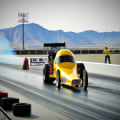
At their core, wheelie bars are a pair of horizontal bars that extend from the rear of a drag racing vehicle, equipped with small wheels or rollers. Their primary purpose is to prevent the car from flipping over during acceleration. When a drag racer launches off the starting line, the immense torque generated by the engine can cause the front end of the car to lift dramatically.
This is where wheelie bars come into play.As the front of the vehicle begins to rise, the wheelie bars make contact with the track surface. This contact creates a pivot point that helps to stabilize the car, allowing it to maintain traction and control. Without wheelie bars, a car could easily flip over, leading to catastrophic failures and dangerous situations.
How Wheelie Bars Function
- Traction Management: By keeping the front end down, wheelie bars help maintain optimal tire contact with the track, which is critical for maximizing acceleration.
- Adjustability: Many wheelie bars are adjustable, allowing racers to fine-tune their setup based on track conditions and vehicle dynamics.
- Weight Distribution: The design of wheelie bars can influence how weight is distributed across the vehicle, affecting its overall balance and handling during a race.
Types of Wheelie Bars Used in Drag Racing
In the world of drag racing, the choice of wheelie bar can significantly impact a vehicle's performance and stability during a run.There are several types of wheelie bars, each designed to cater to specific racing needs and preferences.
Fixed Wheelie Bars
Fixed wheelie bars are the most straightforward option, providing a consistent height and angle that does not change during a race. These bars are typically made from durable materials like steel or aluminum and are designed to withstand the intense forces experienced during acceleration. Fixed wheelie bars are ideal for racers who prefer a set-and-forget approach, as they require minimal adjustments once installed.Adjustable Wheelie Bars
On the other hand, adjustable wheelie bars offer flexibility that can be crucial for optimizing performance. These bars allow racers to modify the height and angle based on track conditions, vehicle setup, and personal driving style.By adjusting the wheelie bar, drivers can fine-tune their launch characteristics, helping to achieve better traction and control. This adaptability makes adjustable wheelie bars popular among serious competitors who frequently tweak their setups for different events.
Custom Wheelie Bars
For those looking for a tailored solution, custom wheelie bars are an excellent choice. These bars can be designed specifically for a particular vehicle model or racing style, ensuring optimal fit and performance. Customization may include unique materials, shapes, or additional features such as integrated shock absorbers.Many professional drag racers invest in custom wheelie bars to gain a competitive edge, as these bespoke solutions can significantly enhance stability and reduce unwanted wheelies during high-speed runs.In summary, understanding the different types of wheelie bars—fixed, adjustable, and custom—can help racers make informed decisions about their drag racing services. Each type serves distinct purposes and can dramatically influence a vehicle's performance on the track.
Common Misconceptions About Wheelie Bars
When it comes to wheelie bars in drag racing, several misconceptions often cloud the understanding of their purpose and functionality. Addressing these myths is crucial for both seasoned racers and newcomers alike.- Myth 1: Wheelie Bars Are Only for Beginners
Many believe that only novice racers use wheelie bars, thinking they are a crutch for those who cannot control their vehicles. In reality, wheelie bars are essential for all levels of drag racing.They help maintain stability and prevent excessive wheelies, which can lead to loss of control and potential accidents.
- Myth 2: Wheelie Bars Slow Down the Car
Another common misconception is that wheelie bars hinder acceleration and speed. However, when properly adjusted, they can actually enhance performance by allowing the car to launch more effectively without lifting the front end too high. This stability can lead to faster times on the track. - Myth 3: All Wheelie Bars Are the Same
Not all wheelie bars are created equal. There are various designs tailored for different types of vehicles and racing conditions.Understanding the specific needs of your drag racing setup is vital in choosing the right wheelie bar.
The Role of Wheelie Bars in Drag Racing Services
In the world of drag racing services, the wheelie bar plays a crucial role in enhancing vehicle performance and safety.These specialized components are designed to prevent the front end of a drag racing car from lifting excessively during acceleration, which can lead to loss of control and potential accidents. By keeping the car stable, wheelie bars allow drivers to maximize their speed and efficiency on the track.
Importance of Wheelie Bars in Drag Racing Services
- Stability: Wheelie bars provide essential stability during high-speed runs, ensuring that the vehicle maintains optimal traction.
- Control: By limiting the amount of lift at the front end, these bars help drivers maintain better control over their vehicles, especially during intense acceleration.
- Safety: The use of wheelie bars significantly reduces the risk of flipping or crashing, making them a vital safety feature in professional drag racing setups.
Ensuring that these components are in optimal condition can prevent mechanical failures that could jeopardize a race. Teams often collaborate with specialized drag racing service providers to ensure that their wheelie bars are not only functional but also optimized for peak performance.In summary, wheelie bars are more than just an accessory; they are a fundamental component of drag racing services, contributing to both performance and safety. Their importance cannot be overstated in professional setups where every millisecond counts.
Conclusion: The Importance of Wheelie Bars in Drag Racing
In conclusion, the role of wheelie bars in drag racing cannot be overstated. These essential components are designed to enhance both safety and performance, making them a critical aspect of any competitive drag racing setup. Throughout this article, we have explored how wheelie bars function to prevent excessive wheelies during acceleration.By providing stability and control, they allow drivers to maximize their vehicle's power without risking loss of traction or control. This is particularly important in high-stakes environments where every millisecond counts. Moreover, the use of wheelie bars contributes significantly to the longevity of a drag racing vehicle. By mitigating the stress placed on the chassis and suspension during hard launches, they help maintain the integrity of the car over time. This not only reduces maintenance costs but also enhances overall performance consistency. As we have seen, the integration of wheelie bars into drag racing services is not merely a trend but a necessity for serious racers.
They provide a competitive edge by allowing drivers to push their vehicles to the limit while ensuring safety remains a top priority. In summary, whether you are a seasoned racer or just starting in the world of drag racing, understanding the importance of wheelie bars is crucial. They are more than just an accessory; they are a vital component that can make all the difference in achieving success on the track.