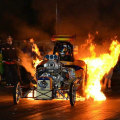
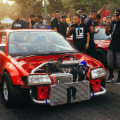
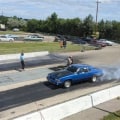
Drag racing is an exhilarating motorsport that has captured the hearts of enthusiasts around the world. It involves two vehicles racing down a straight track, typically a quarter-mile long, with the goal of reaching the finish line in the shortest time possible. This high-speed competition not only showcases the power and performance of the cars but also highlights the skill of the drivers. As drag racing continues to grow in popularity, understanding its fundamentals becomes essential for anyone looking to participate or even just appreciate the sport. One of the key aspects of engaging in drag racing is recognizing the importance of having the right equipment.
While it may seem straightforward, there are specific requirements that can significantly impact performance and safety on the track. From specialized tires designed for maximum grip to safety gear that protects drivers during high-speed runs, each component plays a crucial role in ensuring a successful racing experience. This is where drag racing services come into play, offering expertise and resources to help racers prepare their vehicles and themselves for competition. Whether you are a seasoned racer or a newcomer eager to learn about drag racing basics, understanding what equipment is necessary can make all the difference. Not only does it enhance your chances of success on race day, but it also ensures that you are participating in a safe and responsible manner.
In this article, we will delve deeper into the specific equipment needed for drag racing and how drag racing services can assist you in achieving your racing goals.
The Basics of Drag Racing Equipment
When it comes to drag racing, having the right equipment is crucial for both performance and safety. Understanding the essential drag racing gear can help you prepare for your first race or improve your current setup.1.The Vehicle
- Drag Racing Car: The most important piece of equipment is, of course, the car itself. Drag racing vehicles are typically modified for speed and acceleration, featuring enhancements like lightweight frames, powerful engines, and specialized tires.
- Tires: Drag racing tires are designed for maximum grip on the track. They are wider and have a softer compound than regular tires, allowing for better traction during launches.
- Suspension: A well-tuned suspension system is vital for maintaining stability and control during high-speed runs.
Adjustable shocks and struts can help optimize performance based on track conditions.
2.Safety Gear
- Helmet: A certified racing helmet is mandatory in drag racing. It protects your head in case of an accident and must meet specific safety standards.
- Fire Suit: A fire-resistant suit is essential to protect against flames in the event of a fire. Look for suits made from materials like Nomex that offer high levels of heat resistance.
- Gloves and Shoes: Fire-resistant gloves and shoes are also necessary to ensure that all parts of your body are protected while driving.
3.Additional Equipment
- Safety Harness: A multi-point harness keeps you securely in your seat during high-speed runs, reducing the risk of injury.
- Roll Cage: A roll cage adds structural integrity to your vehicle, protecting you in case of a rollover or collision.
- Data Acquisition Systems: These systems help track performance metrics such as speed, acceleration, and engine temperature, allowing you to make informed adjustments to your setup.
Types of Vehicles Used in Drag Racing
When it comes to drag racing, the type of vehicle you choose can significantly impact your performance on the track.Various categories of vehicles are utilized in this high-speed sport, each designed to meet specific requirements and regulations.
- Drag Racing Cars: These are purpose-built vehicles designed for maximum speed and acceleration. They often feature lightweight materials, powerful engines, and specialized tires for optimal grip. Common types include:
- Top Fuel Dragsters: These are the fastest cars in drag racing, capable of reaching speeds over 330 mph in just a few seconds. They use nitromethane fuel and have engines that produce over 10,000 horsepower.
- Funny Cars: Similar to Top Fuel cars but with a different body style, Funny Cars also utilize supercharged engines and can achieve incredible speeds.
Their unique design allows for better aerodynamics.
- Pro Stock Cars: These vehicles resemble production cars but are heavily modified for racing. They typically have powerful V8 engines and are known for their close competition.
- Street Legal Cars: Many racers start with their everyday vehicles, modifying them for drag racing. While they may not compete at the highest levels, they can still provide thrilling experiences on the track.
- Motorcycles: Drag racing isn’t limited to cars; motorcycles also have a significant presence in the sport. Drag bikes are engineered for speed and often feature extended frames and powerful engines.
- Junior Dragsters: Designed for younger racers, these scaled-down versions of dragsters allow kids to learn the sport safely while developing their skills.
Whether you opt for a high-performance dragster or a modified street car, understanding the specifications and capabilities of each type will help you make an informed decision when seeking drag racing services.
Safety Gear: A Crucial Component of Drag Racing
When it comes to drag racing, safety should always be the top priority. The high speeds and intense competition make it essential for participants to equip themselves with the proper drag racing safety gear. This gear not only protects drivers but also enhances their performance by allowing them to focus on the race without worrying about potential hazards. One of the most critical pieces of safety equipment is the helmet. A certified racing helmet is designed to withstand impacts and protect the head in case of an accident.Look for helmets that meet the standards set by organizations such as the Snell Memorial Foundation, ensuring they provide adequate protection. In addition to helmets, fire-resistant suits are a must-have for any serious drag racer. These suits are made from materials that can withstand high temperatures and flames, providing a crucial layer of protection in the event of a fire. It’s important to choose a suit that fits well and is comfortable, as this will allow for better mobility during races.Harnesses are another vital component of drag racing safety gear. A five-point harness system secures the driver in their seat, preventing movement during high-speed runs.
This not only keeps the driver safe but also helps maintain control of the vehicle, which is essential for successful racing. Other important items include gloves , which provide grip and protect hands from heat, and shoes designed specifically for racing, offering both comfort and protection. Additionally, some racers opt for neck restraints , which help prevent head and neck injuries during sudden stops or collisions. The importance of safety in drag racing cannot be overstated. Investing in high-quality safety gear not only protects racers but also promotes a culture of responsibility within the sport. By prioritizing safety, racers can enjoy their passion while minimizing risks on the track.
Additional Equipment for Enhanced Performance
While basic safety gear is essential for drag racing, additional equipment can significantly enhance your vehicle's performance on the track.Investing in the right performance equipment can provide you with a competitive edge, allowing you to maximize your vehicle's potential.
Tuning Tools for Optimal Performance
Tuning your vehicle is crucial for achieving the best possible performance. Utilizing advanced tuning tools can help you adjust various parameters such as fuel mixture, ignition timing, and boost levels. Some popular tuning tools include:- ECU Tuners: These devices allow you to modify your engine's electronic control unit settings for improved power and efficiency.
- Wideband O2 Sensors: These sensors provide real-time feedback on air-fuel ratios, helping you fine-tune your engine for optimal performance.
- Data Loggers: By recording performance metrics during runs, data loggers help you analyze and adjust your setup for better results.
Drag Racing Modifications
In addition to tuning tools, various modifications can enhance your vehicle's drag racing capabilities. Consider the following upgrades:- Performance Tires: Specialized drag racing tires offer superior grip, allowing for better acceleration off the line.
- Suspension Upgrades: A well-tuned suspension system can improve weight transfer during launches, enhancing traction and stability.
- Weight Reduction: Removing unnecessary components or using lightweight materials can improve your vehicle's power-to-weight ratio, leading to faster times.
This not only improves your chances of winning but also makes the overall racing experience more enjoyable.
Common Misconceptions About Drag Racing Equipment
When it comes to drag racing, many enthusiasts and newcomers alike often harbor misconceptions about the necessary equipment. Understanding these myths can help clarify what is truly essential for participating in this thrilling motorsport.Myth 1: You Need a Fully Customized Race Car
One of the most common misconceptions is that you must have a fully customized race car to participate in drag racing services. While having a specialized vehicle can enhance performance, many local tracks allow street-legal cars to compete. This means that even a well-maintained, stock vehicle can be suitable for entry-level drag racing.Myth 2: Expensive Gear is Mandatory
Another prevalent myth is that you need to invest in expensive gear to be competitive.While safety equipment such as helmets and fire suits are crucial, you don’t need to break the bank. Many affordable options meet safety standards and are sufficient for amateur racers. Prioritizing safety over luxury is key.
Myth 3: Only Professional Racers Use Specialized Equipment
Some believe that specialized equipment is only for professional racers. In reality, while professionals may use advanced technology, amateurs can often get by with basic tools and gear.For instance, a simple timing system or a basic data logger can help improve your performance without requiring a significant investment.
What You Really Need
- Safety Gear: A certified helmet, gloves, and a fire-resistant suit are essential.
- Basic Tools: A toolkit for minor repairs and adjustments can be very helpful.
- Good Tires: Quality tires suited for drag racing can significantly improve traction.
- Proper Maintenance: Regular maintenance of your vehicle ensures it performs well on the track.
Where to Find Drag Racing Services and Equipment
Finding reliable drag racing services and equipment is crucial for anyone looking to get involved in this thrilling motorsport. Whether you are a seasoned racer or a newcomer, knowing where to look can make all the difference.Local Drag Racing Services
Start by checking out local racing tracks and clubs. Many tracks offer drag racing services, including tuning, maintenance, and even rental options for those who do not own a vehicle.Engaging with local racing communities can also provide valuable insights into the best services available in your area.
Online Resources
The internet is a treasure trove of information when it comes to purchasing drag racing equipment. Websites like JEGS and Summit Racing specialize in high-performance parts and accessories. You can find everything from tires to safety gear, ensuring you have what you need for your next race.Local Auto Parts Stores
Your local auto parts store may also carry essential drag racing equipment. While they might not have specialized items, they often stock general performance parts that can enhance your vehicle's capabilities.Don’t hesitate to ask staff for recommendations on drag racing-specific products.
Networking with Other Racers
Networking with fellow racers can lead you to hidden gems in terms of both services and equipment. Attend local events, join online forums, or participate in social media groups dedicated to drag racing. These platforms often share tips on where to find the best local drag racing services and equipment.Considerations When Choosing Services
- Reputation: Look for reviews and testimonials from other racers.
- Expertise: Ensure the service providers have experience with drag racing.
- Location: Proximity can save time and transportation costs.
Conclusion: Preparing for Your Drag Racing Experience
In conclusion, preparing for your drag racing experience is crucial to ensure both safety and performance. Engaging in drag racing services requires more than just a fast car; it demands a comprehensive understanding of the necessary equipment and the environment in which you will be racing.First and foremost, investing in the right gear is essential.This includes:
- Safety Equipment: A certified helmet, fire-resistant suit, gloves, and shoes are non-negotiable. These items protect you from potential hazards on the track.
- Vehicle Modifications: Depending on your level of competition, you may need to modify your vehicle for optimal performance. This can include upgrading the engine, tires, and suspension.
- Support Tools: Having tools for quick repairs and adjustments at the track can make a significant difference in your racing experience.
Familiarizing yourself with these guidelines will not only enhance your performance but also ensure compliance with safety standards.Lastly, consider joining a local drag racing club or community. Engaging with experienced racers can provide invaluable insights into best practices and equipment recommendations. They can also guide you on how to effectively utilize drag racing services, ensuring that you are well-prepared for your time on the track.By equipping yourself with the right knowledge and gear, you can maximize your enjoyment and success in drag racing while prioritizing safety above all else.