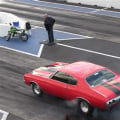
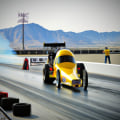
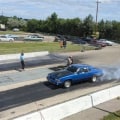
In the world of drag racing, every millisecond counts, and the concept of reaction time plays a pivotal role in determining the outcome of a race. Reaction time refers to the interval between the moment the starting lights turn green and when the driver actually accelerates. This seemingly small window can make or break a race, as even the fastest car can lose if its driver has a slow reaction time. Understanding this critical aspect is essential for anyone looking to improve their performance on the track. The importance of reaction time in drag racing cannot be overstated.
A quick reaction can provide a significant advantage, allowing drivers to gain an early lead that can be difficult for competitors to overcome. In fact, many seasoned racers will tell you that while having a powerful engine and superior vehicle setup are important, mastering your reaction time is often what separates champions from the rest of the field. This is where drag racing services come into play, offering specialized training and tools designed to help drivers hone their reflexes and improve their overall performance. As we delve deeper into this topic, we will explore various techniques and strategies that can help you enhance your reaction time. From mental preparation to physical conditioning, there are numerous factors that contribute to achieving that perfect launch off the line.
By understanding and improving your reaction time, you not only increase your chances of winning but also elevate your overall experience in the thrilling world of drag racing.
The Science Behind Reaction Time
Understanding the science of reaction time is crucial for any drag racer looking to enhance their performance. Reaction time is the interval between the moment a stimulus is perceived and the moment a response is initiated. In drag racing, this response is often measured from the moment the starting lights turn green to when the driver accelerates.Several physiological factors influence reaction time:- Neural Pathways: The speed at which signals travel through the nervous system can significantly affect reaction time. Faster neural pathways lead to quicker responses.
- Muscle Response: The ability of muscles to contract quickly also plays a role.
Well-conditioned muscles can respond more rapidly to stimuli.
- Practice and Familiarity: Regular practice can enhance muscle memory, allowing drivers to react more instinctively during races.
- Concentration: A racer must maintain high levels of concentration to minimize distractions that could delay their reaction.
- Anxiety Management: High-stress levels can impair reaction times. Techniques such as deep breathing or visualization can help manage anxiety before a race.
- Anticipation: Developing the ability to anticipate the start signal can give racers a crucial edge, allowing them to react faster than their competitors.
Techniques to Improve Your Reaction Time
Improving your reaction time in drag racing is crucial for gaining a competitive edge. Here are some effective techniques and exercises that can help you enhance your performance on the track.Mental Preparation
Before you even step into the car, mental training plays a significant role in your reaction time.Visualization techniques can be particularly beneficial:
- Visualize the Start: Spend time imagining the starting lights and your response to them. Picture yourself reacting quickly and smoothly.
- Focus on Breathing: Practice deep breathing exercises to calm your nerves and sharpen your focus before a race.
Physical Training
Your physical condition can also impact your reaction time. Incorporate these exercises into your routine:- Hand-Eye Coordination Drills: Engage in activities like catching a ball or playing video games that require quick reflexes.
- Reaction Time Apps: Use mobile apps designed to improve reaction times through various timed challenges.
Practice Methods
Regular practice is essential for honing your skills:- Simulated Starts: Use a practice tree to simulate race starts. This will help you get accustomed to the timing of the lights.
- Track Days: Participate in track days where you can practice launching your vehicle under real conditions without the pressure of competition.
Utilizing Technology and Tools
Improving your reaction time in drag racing is not just about practice; it also involves leveraging the latest drag racing technology and tools designed to enhance performance.By utilizing these advancements, you can gain a competitive edge on the track.
Timing Systems
One of the most critical tools in drag racing is the timing system. These systems measure your reaction time and overall performance with precision. Modern timing systems use infrared beams to detect when a car crosses the starting line, providing instant feedback on your reaction time. Investing in a high-quality timing system can help you analyze your performance and identify areas for improvement.Reaction Time Tools
In addition to timing systems, various reaction time tools are available that simulate the drag racing experience.These tools often include practice tree simulators that allow you to train your reflexes in a controlled environment. By practicing with these simulators, you can develop muscle memory and improve your ability to react quickly when the lights turn green.
Data Analysis Software
Another valuable resource is data analysis software. This software can track your performance metrics over time, helping you understand how different variables affect your reaction time. By analyzing data from previous races, you can pinpoint trends and make informed adjustments to your strategy.Wearable Technology
Wearable technology, such as smartwatches or fitness trackers, can also play a role in improving your reaction time.These devices can monitor your heart rate and stress levels, providing insights into how your physical state affects your performance. Staying calm and focused is crucial for achieving optimal reaction times.In conclusion, utilizing advanced drag racing services, including timing systems, reaction time tools, data analysis software, and wearable technology, can significantly enhance your ability to react swiftly on the track. By integrating these technologies into your training regimen, you’ll be better equipped to shave precious milliseconds off your reaction time and improve your overall racing performance.
The Role of Practice and Consistency
Improving your reaction time in drag racing is not just about instinct; it requires dedicated practice and a commitment to consistency. Regularly honing your skills can lead to significant improvements in your performance on the track. One effective way to enhance your reaction time is by establishing a training routine.This routine should include various drills that focus on your reflexes and decision-making speed. For instance, you can practice launching your vehicle from a standstill at different intervals, simulating the start of a race. This will help you become more attuned to the lights and the timing of your reactions. Additionally, consider incorporating visualization techniques into your practice sessions. Visualizing the race environment, including the starting lights and the sound of the engine, can help condition your mind to react more swiftly when it matters most.
- Consistency is Key: Make it a point to practice regularly.
Whether it's once a week or several times a week, maintaining a consistent schedule will help reinforce muscle memory and improve your overall reaction time.
- Track Your Progress: Keep a log of your practice sessions, noting your reaction times and any changes you observe. This will not only motivate you but also allow you to identify areas that need improvement.
- Join a Local Drag Racing Club: Engaging with fellow racers can provide valuable insights and tips. Participating in club events can also offer more opportunities for practice in a competitive environment.
Mental Preparation and Focus Techniques
Improving your reaction time in drag racing goes beyond just physical preparation; it heavily relies on mental preparation and focus techniques.The starting line can be a nerve-wracking place, and how you manage your mental state can significantly impact your performance.
Visualization Techniques
One effective method to enhance your focus is through visualization. This involves mentally rehearsing the race before you even step into the car. Picture yourself at the starting line, feeling calm and collected. Visualize the lights turning green and your car launching forward with precision.By repeatedly imagining this scenario, you can train your brain to react more swiftly when it counts.
Breathing Exercises
Another technique to reduce anxiety is practicing breathing exercises. Deep, controlled breathing can help lower your heart rate and clear your mind. Before you approach the starting line, take a moment to inhale deeply through your nose, hold for a few seconds, and exhale slowly through your mouth. This simple practice can help you maintain focus and composure.Mindfulness and Presence
Staying present is crucial in drag racing.Engaging in mindfulness practices, such as meditation or focusing on your senses, can help you stay grounded. When you feel anxious or distracted, take a moment to notice the sounds around you—the roar of engines, the chatter of the crowd, or even the smell of burning rubber. This awareness can bring you back to the moment and enhance your concentration.
Routine Development
Establishing a pre-race routine can also aid in mental preparation. A consistent routine helps signal to your brain that it’s time to focus.This could include specific warm-up exercises, listening to particular music, or even repeating affirmations that boost your confidence. By creating a ritual that you follow before each race, you condition yourself to enter a focused state more easily.Incorporating these mental strategies into your drag racing preparation can lead to improved reaction times and overall performance on the track. Remember, racing is as much a mental game as it is a physical one.
Common Mistakes to Avoid in Drag Racing Starts
In the high-stakes world of drag racing, the starting line is where races are often won or lost. Understanding and avoiding common mistakes can significantly enhance your performance.Here are some pitfalls to watch out for:
- Overthinking the Launch: Many racers get caught up in their strategy and overthink their launch. This can lead to hesitation, which negatively impacts reaction time. Instead, focus on a consistent routine that allows you to react instinctively.
- Poor Staging Technique: Failing to stage properly can result in a delayed start. Ensure you understand the difference between shallow and deep staging, and practice your technique to find what works best for your vehicle.
- Inconsistent Tire Pressure: Tire pressure plays a crucial role in traction and launch.
Inconsistent tire pressure can lead to wheel spin or bogging down at the start. Always check and adjust your tire pressure before each run.
- Ignoring the Christmas Tree: The Christmas tree is your signal to go, but many racers fail to react promptly. Practice your timing with the lights to improve your reaction time. Familiarize yourself with the sequence of lights so you can anticipate your launch.
- Rushing the Start: While speed is essential, rushing can lead to mistakes such as false starts or poor launches.
Take a deep breath, focus on your technique, and wait for the right moment.
FAQs About Improving Reaction Time in Drag Racing
Improving your reaction time in drag racing is crucial for achieving better performance on the track. Here are some frequently asked questions that can help you understand how to enhance your skills:- What is reaction time in drag racing?
Reaction time refers to the duration it takes for a driver to respond to the starting signal and begin accelerating. A quicker reaction time can significantly impact your overall race performance. - How can I practice my reaction time?
To improve your reaction time, consider using a practice tree, which simulates the starting lights of a drag race.Regularly practicing with this tool can help you develop muscle memory and improve your reflexes.
- Does my vehicle affect my reaction time?
Yes, the setup of your vehicle can influence your reaction time. Ensure that your car is well-maintained and that all systems are functioning optimally. Additionally, consider the type of drag racing services you use, as professional tuning can enhance performance. - What mental techniques can help improve my reaction time?
Mental preparation is key. Visualization techniques, where you imagine yourself executing a perfect start, can enhance focus and reduce anxiety.Staying calm and composed at the starting line also contributes to quicker reactions.
- How important is practice in improving reaction time?
Consistent practice is essential for improvement. The more you race, the better you will become at gauging the lights and responding quickly. Consider participating in local events or using simulators to refine your skills.
Conclusion: Key Takeaways for Better Reaction Times in Drag Racing
Improving your reaction time in drag racing is crucial for achieving optimal performance on the track.Throughout this article, we have explored various strategies and techniques that can help you enhance your reflexes and gain a competitive edge. Here are the key takeaways:
- Practice Consistently: Regular practice is essential. Utilize drag racing services that offer training sessions to refine your skills and build muscle memory.
- Focus on Mental Preparation: Mental conditioning plays a significant role in reaction time. Techniques such as visualization and mindfulness can help you stay focused and calm during races.
- Optimize Your Vehicle Setup: Ensure that your car is tuned for peak performance.
A well-prepared vehicle can significantly impact your ability to react quickly.
- Utilize Technology: Consider using timing systems or apps that provide feedback on your reaction times. This data can help you identify areas for improvement.
- Stay Physically Fit: Physical fitness contributes to quicker reflexes. Engage in exercises that enhance hand-eye coordination and overall agility.
Embrace the journey of improvement, and leverage available drag racing services to support your growth as a racer.