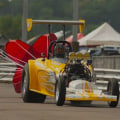
Drag racing is a thrilling motorsport that pits two vehicles against each other in a straight-line race, typically over a quarter-mile distance. The excitement of the sport lies not only in the raw power of the cars but also in the precision and skill of the drivers. One of the most critical elements that can determine the outcome of a drag race is reaction time. This term refers to the interval between the moment the starting lights turn green and when the driver actually accelerates their vehicle.
A quick reaction time can mean the difference between winning and losing, making it an essential factor for anyone involved in drag racing services.Understanding reaction time is vital for both novice and experienced racers. It encapsulates not just the physical response of the driver but also their mental preparedness and strategy. In drag racing, every millisecond counts; a delay in reaction can lead to a slower start, allowing competitors to gain an advantage right from the get-go. This is why many racers invest significant time in practicing their reaction times, often using specialized equipment and techniques to improve their performance on the track.Moreover, reaction time is not just about speed; it also reflects a driver’s ability to remain calm under pressure.
The adrenaline rush of waiting for the green light can be overwhelming, and those who can maintain focus are often rewarded with better reaction times. As we delve deeper into this topic, we will explore how reaction time impacts overall race performance and why mastering this skill is crucial for anyone looking to excel in drag racing.
What is Reaction Time in Drag Racing?
In the world of drag racing, reaction time refers to the interval between the moment the starting lights turn green and the instant a driver begins to accelerate. This critical measurement is pivotal in determining the outcome of a race, as even a fraction of a second can mean the difference between victory and defeat.Reaction time is typically measured in seconds and is recorded using electronic timing systems that capture the precise moment a driver reacts to the starting signal. The ideal reaction time is often considered to be around 0.000 seconds, which indicates that the driver has reacted instantaneously.However, achieving such perfection is nearly impossible due to various factors that can influence a driver's response.
Factors Influencing Reaction Time
- Driver Experience: More experienced drivers tend to have quicker reaction times as they are better at anticipating the start signal.
- Vehicle Setup: The performance of the vehicle, including its launch capabilities, can affect how quickly a driver can accelerate after reacting.
- Concentration Levels: A driver’s focus and mental state play a significant role; distractions can lead to slower reaction times.
- Environmental Conditions: Factors such as track surface, weather conditions, and even lighting can impact how quickly a driver can respond.
The Importance of Reaction Time in Drag Racing
In the world of drag racing, the term reaction time refers to the interval between the moment the starting lights turn green and when the driver actually accelerates their vehicle. This seemingly small fraction of time can be the difference between winning and losing a race.Understanding the importance of reaction time is crucial for anyone involved in drag racing services, whether they are drivers, teams, or enthusiasts.
Why Reaction Time Matters
- Impact on Race Outcomes: A quick reaction time allows a driver to gain an early lead, which can be pivotal in a sport where races are often decided by mere thousandths of a second. Even if a driver has a faster car, a slow reaction time can negate that advantage.
- Consistency: Consistent reaction times contribute to overall performance. Drivers who can reliably achieve quick starts are more likely to perform well across multiple races, making them more competitive in the long run.
- Psycho-Physical Factors: Reaction time is not just about physical speed; it also involves mental acuity. Drivers must be able to anticipate the start and react without hesitation, which requires practice and focus.
- Strategic Planning: Understanding one’s own reaction time can help drivers and teams develop strategies for improvement.
By analyzing past performances, they can identify patterns and work on techniques to enhance their starts.
Factors Affecting Reaction Time
In drag racing, reaction time is crucial for achieving optimal performance, and several factors can significantly influence it. Understanding these factors can help racers improve their times and gain a competitive edge.Psychological Aspects
The mental state of a racer plays a vital role in their reaction time.Factors such as nervousness, focus, and confidence can either enhance or hinder performance. A racer who is calm and focused is more likely to react quickly to the starting signal. Techniques such as visualization and breathing exercises can help improve mental clarity and reduce anxiety.
Vehicle Setup
The configuration of the vehicle also impacts reaction time. Key elements include:- Launch Control Systems: Advanced systems can optimize the timing of the launch, allowing for quicker starts.
- Tire Selection: The right tires provide better grip, which can lead to faster acceleration off the line.
- Weight Distribution: Properly balanced vehicles respond better during launches, improving overall reaction times.
Environmental Conditions
External factors such as weather, track conditions, and altitude can also affect a racer's reaction time.For instance, a hot day may lead to a slick track surface, making it harder for tires to grip. Racers should be aware of these conditions and adjust their strategies accordingly.To improve reaction time in drag racing, racers can practice consistently at the track, focusing on their launch techniques and mental preparation. Utilizing tools like reaction timers during practice runs can provide valuable feedback and help identify areas for improvement.By addressing these factors—psychological readiness, vehicle setup, and environmental awareness—racers can enhance their reaction times and overall performance in drag racing.
Techniques to Improve Reaction Time
Improving your reaction time in drag racing is crucial for achieving optimal performance on the track. Here are some effective techniques that can help you enhance your reaction time:- Practice Consistently: Regular practice is essential.
Spend time at the track to familiarize yourself with the starting lights and develop a feel for the timing.
- Use a Practice Tree: A practice tree simulates the starting lights of a drag race. By practicing with it, you can improve your ability to anticipate the green light and react quickly.
- Focus on Mental Preparation: Mental readiness plays a significant role in reaction time. Visualize the race and your reaction to the lights before you even step into the car.
- Optimize Your Vehicle Setup: Ensure that your car is tuned for optimal performance. A well-tuned vehicle can respond better, allowing you to focus more on your reaction time rather than mechanical issues.
- Minimize Distractions: Eliminate any distractions in your environment before the race.
This includes focusing solely on the lights and not letting external factors affect your concentration.
- Work on Your Staging Technique: Proper staging can significantly impact your reaction time. Learn how to stage effectively, ensuring that you are ready to launch as soon as the light turns green.
Common Myths About Reaction Time in Drag Racing
When it comes to drag racing, there are numerous myths and misconceptions surrounding reaction time that can mislead new racers. Understanding these myths is crucial for anyone looking to improve their performance on the track.Myth 1: Reaction Time is Everything
One of the most common misconceptions is that reaction time is the sole determinant of success in drag racing.While a quick reaction time can give a racer an edge, it is not the only factor that matters. The overall performance of the vehicle, including its speed and handling, plays a significant role in determining the outcome of a race.
Myth 2: You Can Always Improve Your Reaction Time
Many believe that with enough practice, anyone can achieve a perfect reaction time. However, this is not entirely true. Factors such as driver reflexes, experience, and even psychological state can influence reaction times.While practice can help, there are limits to how much one can improve.
Myth 3: All Drag Races Are Won at the Start
Another prevalent myth is that races are won solely based on who has the best reaction time off the line. In reality, while a good start is important, many races are decided by how well a driver manages their vehicle throughout the entire run. Factors like acceleration, traction, and timing also play critical roles.Myth 4: Reaction Time Is the Same for Everyone
Some newcomers assume that all drivers have similar reaction times. This is misleading; experienced racers often have quicker reaction times due to their familiarity with the process and their ability to anticipate the start signal.New racers may struggle initially but can improve over time.
Conclusion
Understanding these common myths about reaction time in drag racing can help new racers focus on what truly matters: honing their skills and understanding their vehicles. By debunking these misconceptions, racers can better prepare themselves for success on the track.FAQs About Reaction Time in Drag Racing
Understanding reaction time in drag racing is crucial for both novice and experienced racers. Here are some frequently asked questions that can help clarify this important aspect of the sport.What is reaction time in drag racing?
Reaction time refers to the duration it takes for a driver to respond to the starting signal and begin accelerating their vehicle. It is measured from the moment the green light illuminates until the car starts moving.A quicker reaction time can significantly impact a racer’s overall performance.
Why is reaction time important?
A good reaction time can mean the difference between winning and losing a race. In drag racing, where races are often decided by mere milliseconds, even a slight delay can result in a loss. A faster reaction time allows drivers to gain an early lead, which can be critical in head-to-head matchups.How is reaction time measured?
Reaction time is typically measured using electronic timing systems at the drag strip. These systems record the exact moment a driver reacts to the starting signal and can provide precise measurements down to thousandths of a second.What is considered a good reaction time?
- A reaction time of 0.500 seconds is considered perfect, as it aligns with the standard tree timing system used in most drag races.
- Times below 0.500 seconds are often seen as red lights, indicating that the driver left too early.
- A good range for competitive racers typically falls between 0.020 and 0.100 seconds.
Can reaction time be improved?
Yes, improving reaction time is possible through practice and various techniques:- Practice: Regularly participating in practice runs helps drivers become more familiar with their vehicle's response times.
- Mental Preparation: Visualization techniques can help drivers anticipate the start signal better.
- Equipment Adjustments: Modifying vehicle settings or using specialized equipment can enhance responsiveness.
Conclusion: The Role of Reaction Time in Drag Racing Success
In conclusion, reaction time is a critical element in the world of drag racing.It serves as the bridge between a racer's mental readiness and their vehicle's performance on the track. Throughout this article, we have explored how even a fraction of a second can determine the outcome of a race, emphasizing that every millisecond counts.Understanding the mechanics of reaction time allows aspiring racers to hone their skills effectively. By practicing consistently and utilizing various techniques, such as visual cues and mental preparation, drivers can improve their reaction times significantly. This improvement not only enhances their chances of winning but also contributes to a more thrilling racing experience.Moreover, the importance of drag racing services cannot be overstated.
These services provide invaluable resources, from professional coaching to advanced timing systems, which can help racers analyze their performance and identify areas for improvement. Engaging with these services can lead to a deeper understanding of how to optimize both vehicle and driver performance.Ultimately, mastering reaction time is not just about speed; it’s about strategy, focus, and continuous learning. For those serious about making their mark in drag racing, investing time in improving reaction time is essential. As you gear up for your next race, remember that every moment counts, and a quick reaction could be the key to crossing the finish line first.