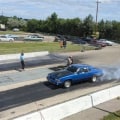
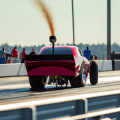
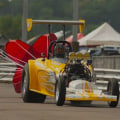
In the exhilarating world of drag racing, a burnout is not just a flashy display of power; it serves a critical purpose that can significantly impact a racer's performance. A burnout involves spinning the rear tires of a drag racing vehicle while stationary, generating heat and smoke. This process is essential for preparing the tires, as it increases their temperature and enhances grip on the track. The right amount of heat allows the tires to achieve optimal traction, which is crucial for launching off the starting line with maximum acceleration.The significance of a burnout extends beyond mere aesthetics; it is a vital technique employed by racers to ensure their vehicles are primed for the intense demands of drag racing.
By performing a proper burnout, drivers can remove any debris or contaminants from the tire surface, ensuring that they have a clean contact patch with the asphalt. This preparation can make the difference between a successful run and a disappointing loss, highlighting why many drag racing services emphasize the importance of mastering this technique.Moreover, understanding the mechanics behind a burnout can help racers fine-tune their approach to drag racing. Different vehicles may require varying burnout techniques based on their weight, power, and tire composition. As such, many racers seek specialized drag racing services that offer guidance on optimizing their burnouts and overall performance.
Whether you are a seasoned pro or a newcomer to the sport, grasping the fundamentals of burnouts is essential for anyone looking to excel in drag racing.
The Purpose of a Burnout
In the world of drag racing, the burnout serves a critical purpose that extends beyond mere spectacle. This pre-race ritual is essential for maximizing drag racing performance and ensuring that the vehicle is primed for optimal grip on the track.One of the primary reasons for performing a burnout is to prepare the tires. When a car performs a burnout, it spins its rear tires while stationary, generating heat through friction. This heat is crucial because it helps to soften the rubber compound of the tires, enhancing their grip on the racing surface.A tire that has been properly heated will provide better traction, which is vital for achieving faster launch times and improved acceleration.Additionally, burnouts help to remove any debris or contaminants that may be present on the tire surface. This cleaning process ensures that the tires make direct contact with the track, further enhancing grip. Without this step, even the most powerful drag racing vehicles can struggle to achieve their full potential.
- Tire Preparation: The heat generated during a burnout allows the tire rubber to become more pliable, which increases its ability to conform to the track surface.
- Traction Improvement: A well-executed burnout can significantly improve traction, leading to quicker launch times and better overall performance.
- Surface Cleaning: Burnouts help eliminate any unwanted substances on the tire surface, ensuring maximum contact with the track.
How to Perform a Burnout in Drag Racing
Executing a successful burnout in drag racing is crucial for preparing your tires and maximizing traction on the track.Here’s a step-by-step guide to help you perform a burnout effectively:
- Prepare Your Vehicle: Before you start, ensure your vehicle is in good condition. Check tire pressure and make sure your drag racing services are up to date.
- Find the Right Spot: Look for a designated burnout area on the track. This is typically marked and provides enough space for you to perform the maneuver safely.
- Engage the Line Lock: If your vehicle is equipped with a line lock, engage it. This feature allows you to lock the front brakes while releasing the rear, enabling you to spin the rear tires without moving forward.
- Rev the Engine: With your foot on the brake, rev the engine to build RPMs.
Aim for a range that suits your vehicle's power band, usually between 3,000 to 5,000 RPMs.
- Release the Brakes: Quickly release the line lock and brake while simultaneously applying throttle. This will initiate the burnout.
- Control the Burnout: Maintain throttle control to keep the tires spinning without losing traction completely. Adjust your steering slightly if necessary to keep the car straight.
- End the Burnout: Once you’ve achieved sufficient smoke and heat in the tires, ease off the throttle and allow the car to roll forward. This helps prevent excessive wear on your tires.
- Practice Makes Perfect: If you're new to drag racing techniques, practice in a safe environment before hitting the track.
- Tire Selection: Choose tires that are suitable for drag racing; softer compounds will heat up faster and provide better grip.
- Avoid Overheating: Be mindful of your engine temperature during burnouts; excessive heat can lead to mechanical failures.
Mastering this technique can significantly enhance your performance in drag racing events.
Common Mistakes to Avoid During a Burnout
Performing a burnout in drag racing is a critical step that can significantly impact your performance on the track. However, many racers make common mistakes that can lead to suboptimal results or even dangerous situations. Here are some frequent errors to avoid:- Inadequate Tire Preparation: One of the most common pitfalls is not properly preparing the tires before the burnout. Ensure that your tires are clean and free from debris, as this can affect traction and performance.
- Incorrect RPM Levels: Many racers fail to find the right RPM range for their specific vehicle.
Too low RPMs can result in insufficient heat generation, while too high can lead to loss of control. Always consult your vehicle's specifications to determine the optimal range.
- Over-Revving: While it might be tempting to push the engine to its limits, over-revving can cause unnecessary wear and tear. This not only affects your vehicle's longevity but can also lead to mechanical failures during the race.
- Poor Clutch Control: Inconsistent clutch engagement can lead to uneven tire spin, which diminishes the effectiveness of the burnout. Practice smooth and controlled clutch releases to maintain stability.
- Neglecting Track Conditions: The surface of the track plays a significant role in how well your burnout performs.
Failing to assess track conditions can lead to unexpected results. Always take note of weather conditions and track surface before executing a burnout.
The Role of Drag Racing Services in Burnouts
In the world of drag racing, achieving the perfect burnout is crucial for optimal performance on the track. This is where specialized drag racing services come into play, offering professional assistance that can significantly enhance a racer's experience and results.Tire Preparation
- Tire selection is vital; drag racing services provide expert advice on the best tires suited for specific conditions and vehicle types.
- Professional tire mounting and balancing ensure that the tires perform at their best during a burnout, reducing the risk of blowouts or uneven wear.
- Some services offer tire heating, which helps to increase grip and improve traction when launching off the line.
Vehicle Tuning
- Proper tuning of the engine and drivetrain is essential for executing a successful burnout.
Drag racing services often include performance tuning to optimize power delivery.
- Adjustments to suspension settings can also be made to ensure that weight transfer occurs effectively during a burnout, maximizing tire contact with the track.
- Some services provide data analysis, allowing racers to review their burnouts and make informed adjustments for future runs.
Professional Burnout Assistance
For those new to drag racing or looking to refine their technique, professional burnout assistance can be invaluable. Experienced technicians can guide racers through the process, ensuring that they understand how to manage throttle control, brake application, and steering during a burnout. This not only enhances performance but also minimizes the risk of damaging the vehicle.In conclusion, utilizing drag racing services for burnouts is not just about having fun; it’s about maximizing performance and ensuring safety on the track. Whether through tire preparation or vehicle tuning, these services play a pivotal role in helping racers achieve their best results.
FAQs About Burnouts in Drag Racing
Burnouts are a crucial aspect of drag racing, often surrounded by questions and misconceptions.Here are some frequently asked questions that can help clarify what burnouts entail in the context of drag racing services.
What is the purpose of a burnout in drag racing?
The primary purpose of a burnout is to heat up the tires, increasing their grip on the track. This process helps to remove any debris or contaminants on the tire surface, ensuring optimal traction during the race.How long should a burnout last?
A typical burnout lasts anywhere from 5 to 15 seconds, depending on the type of vehicle and tire composition. It's essential to find the right balance; too short may not adequately prepare the tires, while too long can lead to excessive tire wear.Can burnouts damage my vehicle?
While burnouts are generally safe when performed correctly, they can cause wear and tear on various components of your vehicle, including:- Tires: Excessive heat can lead to premature tire degradation.
- Brakes: Overheating can affect brake performance.
- Drivetrain: Stress on the drivetrain components can lead to potential failures.
Are there different types of burnouts?
Yes, there are several types of burnouts, including:- Static Burnout: The vehicle remains stationary while spinning the tires.
- Rolling Burnout: The vehicle moves forward slightly while performing the burnout.
- Two-Step Burnout: Utilizes a rev limiter to maintain engine RPMs during the burnout.
Do I need special equipment for burnouts?
While standard drag racing vehicles can perform burnouts, having specialized equipment such as high-performance tires and upgraded brakes can enhance safety and effectiveness. Additionally, using a burnout box at the track can provide a controlled environment for this activity.Understanding these aspects of burnouts in drag racing can help enthusiasts make informed decisions and enhance their overall racing experience.Conclusion: Mastering Burnouts for Better Drag Racing Performance
In conclusion, mastering the art of burnouts is essential for any serious drag racer looking to enhance their performance on the track.Throughout this article, we have explored the significance of burnouts in drag racing, emphasizing how they prepare your tires for optimal grip and traction. Understanding the mechanics behind a successful burnout can make a substantial difference in your race times and overall success.To recap, here are the key points to remember:
- Purpose of Burnouts: They heat up the tires, ensuring better traction during the launch.
- Technique: A proper burnout involves balancing throttle control and brake application to achieve the desired tire temperature without losing control.
- Equipment: Utilizing high-quality drag racing services can provide you with the right tools and support to perfect your burnout technique.
- Practice: Like any skill, mastering burnouts requires practice. Regularly refining your technique will lead to improved performance on race day.
Whether you are a novice or an experienced racer, investing time in understanding and practicing burnouts will undoubtedly pay off in your quest for speed and victory.Ultimately, a well-executed burnout not only sets the stage for a successful run but also builds confidence in your vehicle's capabilities. As you continue to hone this skill, remember that every second counts in drag racing, and mastering burnouts is a crucial step towards achieving your racing goals.