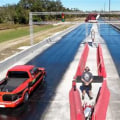
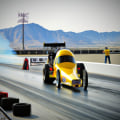
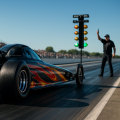
Drag racing is a thrilling motorsport that pits two vehicles against each other in a straight-line race over a specified distance, typically a quarter-mile. This high-octane sport has its roots in the early 20th century, evolving from informal street races to organized events held at dedicated tracks. The adrenaline rush of watching powerful cars accelerate from a standstill to incredible speeds in mere seconds captivates fans and participants alike, making drag racing a cornerstone of automotive culture. The significance of drag racing extends beyond mere entertainment; it showcases engineering prowess and driving skill. Competitors invest time and resources into modifying their vehicles for optimal performance, often utilizing specialized drag racing services to enhance speed and efficiency.
These services can range from tuning engines to optimizing aerodynamics, ensuring that every millisecond counts on the track. As the sport has grown, so too has its community, with enthusiasts gathering at events to celebrate their shared passion. From local tracks to national championships, drag racing offers a unique blend of competition and camaraderie. Understanding the fundamentals of this sport, including the significance of the quarter-mile distance, is essential for anyone looking to appreciate the intricacies of drag racing fully.
The Quarter-Mile Explained
In the world of drag racing, the term quarter-mile refers to a specific distance that racers must cover in a straight line during a race. This distance, equivalent to 1,320 feet or approximately 402 meters, has become the standard measurement for drag racing events.Understanding the significance of the quarter-mile is essential for both participants and spectators alike.The quarter-mile distance is not just a random choice; it has historical roots in the evolution of drag racing services. Initially, races were often held on public roads, and the quarter-mile became a popular length due to its balance between speed and control. This distance allows drivers to accelerate their vehicles to high speeds while still providing enough room to safely decelerate after crossing the finish line.During a typical drag race, competitors start from a complete stop at the starting line and race down the quarter-mile track. The time it takes for each vehicle to complete this distance is recorded, and this time is known as the elapsed time (ET).
The shorter the ET, the faster the vehicle has traveled over that quarter-mile stretch. This metric is crucial for determining the winner of a race and is often used to compare performance across different vehicles.Moreover, the quarter-mile distance serves as a benchmark for tuning and modifying vehicles. Many enthusiasts and professional teams utilize this measurement to gauge improvements in speed and performance after making adjustments to their cars. Whether it's enhancing engine power, optimizing aerodynamics, or improving tire grip, achieving better quarter-mile times is a primary goal for many in the drag racing community.In summary, the quarter-mile is more than just a measurement; it encapsulates the essence of drag racing.
It represents a thrilling challenge that tests both driver skill and vehicle capability, making it a cornerstone of drag racing culture.
The Importance of the Quarter-Mile in Drag Racing
The quarter-mile distance is a defining feature of drag racing, serving as a benchmark for performance and strategy. This specific length, equivalent to 1,320 feet, has become the standard for measuring the speed and acceleration of vehicles in competitive settings. Understanding its significance can greatly enhance both the experience and outcomes of drag racing events.One of the primary reasons the quarter-mile is crucial in drag racing is that it provides a consistent framework for evaluating vehicle performance. By standardizing the race distance, drivers and teams can compare their times against others, allowing for a clear assessment of speed and efficiency.This consistency is vital for teams utilizing drag racing services, as it enables them to fine-tune their vehicles and strategies based on reliable data.
Performance Metrics
The quarter-mile distance allows racers to focus on key performance metrics such as:- Reaction Time: The time it takes for a driver to respond to the starting signal.
- 60-Foot Time: A critical measure of how quickly a car can launch off the line.
- ET (Elapsed Time): The total time taken to complete the quarter-mile.
- Mile Per Hour (MPH): The speed achieved at the end of the race.
Race Strategy Significance
The quarter-mile also influences race strategies. Teams must consider factors such as:- Tire Selection: Choosing the right tires can impact grip and launch.
- Weight Distribution: Adjusting weight can enhance traction and stability during acceleration.
- Tuning: Optimizing engine performance is crucial for maximizing speed over the quarter-mile.
How Quarter-Mile Times are Measured
Measuring quarter-mile times in drag racing is a critical aspect that determines a vehicle's performance and competitiveness on the track.The accuracy of these measurements relies heavily on advanced timing systems and technology designed specifically for drag racing.Typically, the timing of a drag race begins when the vehicle crosses the starting line and ends when it crosses the finish line, which is exactly a quarter-mile away. The most common method for measuring these times involves the use of electronic timing systems, which utilize sensors placed at both the start and finish lines.
Types of Timing Systems
- Infrared Sensors: These sensors are often used in modern drag racing. They emit beams of infrared light that are interrupted by the vehicle as it passes through, allowing for precise timing.
- Photoelectric Cells: Similar to infrared sensors, photoelectric cells detect changes in light as a car crosses the start or finish line, providing accurate time measurements.
- Transponder Systems: Many tracks now use transponder technology, where a small device attached to the car communicates with antennas at the start and finish lines to record times automatically.
However, these methods are less common due to their potential for human error and lack of precision compared to modern technology.Overall, understanding how quarter-mile times are measured is essential for anyone involved in drag racing, whether they are competitors or fans. The evolution of timing technology continues to enhance the sport, making it more exciting and competitive than ever.
Factors Affecting Quarter-Mile Performance
When it comes to drag racing, several key factors can significantly influence a car's performance over a quarter-mile. Understanding these variables is essential for both amateur and professional racers looking to optimize their times.Vehicle Setup
The configuration of the vehicle plays a crucial role in its ability to accelerate and maintain speed. Key components include:- Engine tuning: Proper tuning can maximize horsepower and torque, allowing for quicker acceleration.
- Weight distribution: A balanced weight distribution helps improve traction, especially during the launch phase.
- Tire selection: The right tires can enhance grip on the track, reducing wheel spin and improving overall performance.
- Suspension setup: Adjusting the suspension can help maintain stability and control during high-speed runs.
Driver Skill
The driver’s ability to handle the vehicle is another critical factor.Skills such as reaction time, shifting precision, and throttle control can make a significant difference in achieving optimal quarter-mile times. A skilled driver knows how to launch the car effectively, maximizing acceleration without losing traction.
Track Conditions
The condition of the track itself can greatly affect performance. Factors include:- Surface type: A well-prepped track with good grip will allow for better acceleration compared to a slick or uneven surface.
- Weather conditions: Temperature and humidity can impact engine performance and tire grip. Cooler temperatures often provide denser air, which can enhance engine power.
- Altitude: Racing at higher altitudes can reduce engine power due to thinner air, affecting overall performance.
By focusing on vehicle setup, honing driving skills, and adapting to track conditions, racers can significantly improve their quarter-mile performance.
Common Myths About Quarter-Mile Racing
When it comes to quarter-mile racing, several myths and misconceptions can cloud the understanding of this thrilling motorsport. Let’s debunk some of the most common myths surrounding drag racing.- Myth 1: All drag races are the same. Many people believe that all drag races are identical, but this is far from the truth. Different classes of vehicles, varying track conditions, and specific rules for each event can significantly affect the outcome of a race.
- Myth 2: You need a supercar to compete. While high-performance vehicles often dominate the headlines, drag racing services cater to a wide range of cars. Many enthusiasts start with their everyday vehicles and gradually modify them for better performance.
- Myth 3: Drag racing is just about speed. Although speed is a crucial factor, drag racing also involves strategy, reaction time, and vehicle setup.
A well-tuned car with a skilled driver can outperform a faster car if they execute their run more effectively.
- Myth 4: It’s all about horsepower. While horsepower plays a significant role in drag racing, other factors such as weight distribution, tire grip, and aerodynamics are equally important. A balanced approach to these elements can lead to better performance on the track.
- Myth 5: Drag racing is dangerous and illegal. While illegal street racing poses significant risks, sanctioned drag racing events are held in controlled environments with safety measures in place. Participants wear protective gear, and tracks are designed to minimize hazards.
Quarter-Mile Racing Events and Competitions
Quarter-mile racing events are a cornerstone of the drag racing community, attracting enthusiasts and competitors from all over the United States.These competitions not only showcase the raw power and speed of vehicles but also foster a sense of camaraderie among racers and fans alike.One of the most prestigious events in the quarter-mile racing calendar is the NHRA (National Hot Rod Association) Drag Racing Series. This series features a variety of classes, including Top Fuel, Funny Car, and Pro Stock, where drivers push their machines to the limit on a quarter-mile track. The excitement builds as racers compete for points throughout the season, culminating in the thrilling NHRA Finals, where champions are crowned.Another notable event is the Street Outlaws series, which has gained immense popularity through its television coverage. This series highlights street racing culture while adhering to quarter-mile distances, allowing participants to showcase their modified vehicles in a competitive yet entertaining environment.In addition to these major events, local drag racing services often host quarter-mile competitions at various tracks across the country.
These grassroots events provide an opportunity for amateur racers to test their skills and vehicles in a safe and controlled environment. Tracks like Maple Grove Raceway in Pennsylvania and Pomona Raceway in California regularly feature quarter-mile races that draw large crowds and enthusiastic participants.The significance of quarter-mile racing extends beyond just speed; it represents a culture of innovation and engineering excellence. Many racers invest considerable time and resources into modifying their cars for optimal performance, making each event a showcase of cutting-edge automotive technology.As the popularity of drag racing continues to grow, so does the number of quarter-mile competitions available to fans and participants. Whether you are a seasoned racer or a curious spectator, these events offer an exhilarating experience that celebrates speed, skill, and community.
How to Get Started with Drag Racing Services
Getting started with drag racing services can be an exhilarating experience, especially for those who have a passion for speed and competition.Here are some essential steps to help you dive into the world of drag racing.
1.Research Local Tracks
The first step is to find local drag racing tracks in your area. Many cities have dedicated facilities where you can watch or participate in races. Websites like NHRA provide a comprehensive list of tracks across the United States. Additionally, social media groups and forums can be valuable resources for recommendations and reviews.2.Understand the Basics
Before you hit the track, familiarize yourself with the basic rules and regulations of drag racing.Each track may have specific guidelines regarding vehicle modifications, safety gear, and race formats. Understanding these rules will not only enhance your experience but also ensure your safety on the track.
3.Join a Local Racing Community
Connecting with fellow enthusiasts can significantly enhance your drag racing journey. Look for local clubs or online communities that focus on drag racing services. These groups often host events, provide mentorship, and share valuable tips for beginners.4.Invest in Safety Gear
Your safety should always be a priority when participating in drag racing.Invest in high-quality safety gear, including:
- Helmet: A certified helmet is essential for protecting your head during races.
- Racing Suit: A fire-resistant suit will help protect you from burns in case of an accident.
- Shoes and Gloves: Proper footwear and gloves designed for racing will enhance grip and control.
5.Start Small
If you're new to drag racing, consider starting with a less powerful vehicle or participating in amateur events. This approach allows you to gain experience without overwhelming yourself with high-speed competition right away.6.Attend Drag Racing Events
Finally, attending local drag racing events can provide insight into the sport's atmosphere and community. Observing experienced racers will help you learn techniques and strategies that can improve your own performance.By following these steps, you'll be well on your way to engaging with drag racing services, making new friends, and enjoying the thrill of the race!FAQs About Quarter-Mile Drag Racing
Quarter-mile drag racing is a thrilling motorsport that captivates both participants and spectators alike. Here are some frequently asked questions about this exciting racing format:- What is a quarter-mile?The quarter-mile is a standard distance used in drag racing, measuring exactly 1,320 feet.
It is the distance from the starting line to the finish line, where racers aim to complete their run in the shortest time possible.
- Why is the quarter-mile distance significant?This distance has become a benchmark in drag racing, allowing for consistent comparisons of vehicle performance. It provides a clear measure of speed and acceleration, making it easier for fans and competitors to gauge results.
- How do I prepare for a quarter-mile race?Preparation involves several steps:
- Ensure your vehicle is in top condition, focusing on engine performance and tire grip.
- Familiarize yourself with the track layout and rules of the event.
- Practice your launch technique to maximize acceleration off the starting line.
- What types of vehicles can participate?A wide range of vehicles can compete in quarter-mile drag racing, from street-legal cars to purpose-built dragsters. Categories often include:
- Pro Stock
- Top Fuel
- Funny Car
- Street Class
- How are drag racing times measured?Times are typically recorded using electronic timing systems that capture both reaction time and elapsed time from start to finish. The goal is to achieve the lowest elapsed time (ET) possible.
Conclusion: The Significance of the Quarter-Mile in Drag Racing Culture
In conclusion, the quarter-mile distance is not just a measurement in drag racing; it is a fundamental aspect that shapes the culture and competitive spirit of the sport.Understanding this distance is crucial for both participants and fans alike, as it encapsulates the essence of speed, precision, and engineering prowess.The quarter-mile serves as a universal benchmark for performance, allowing racers to compare their vehicles against others in a standardized format. This distance has become synonymous with drag racing events, where drivers push their machines to the limit in a thrilling display of power and skill.
- Performance Metrics: The quarter-mile time is often the first statistic enthusiasts look for when evaluating a car's performance. It provides insight into acceleration capabilities and overall speed.
- Cultural Significance: The quarter-mile has become a rite of passage for many racers. Achieving a personal best or breaking records can lead to recognition within the community.
- Event Structure: Most drag racing events are structured around this distance, making it essential for participants to master their vehicles and techniques to excel.
It fosters a deeper connection between spectators and racers, enhancing the overall experience of attending events.Ultimately, the quarter-mile is more than just a race; it represents a shared passion among enthusiasts and serves as a testament to human ingenuity in automotive engineering. As drag racing continues to evolve, the significance of this distance will remain a cornerstone of its rich history and vibrant culture.