Drag racing is an exhilarating motorsport that combines speed, precision, and competition, attracting enthusiasts from all walks of life. As participants line up at the starting line, the roar of engines and the thrill of acceleration create an electrifying atmosphere. However, while the excitement is palpable, it is crucial to recognize that drag racing services come with inherent risks. Understanding these risks and the necessary safety measures is essential for anyone looking to participate in this high-octane sport. One of the most critical aspects of drag racing is the emphasis on safety gear.
Unlike casual driving, drag racing involves extreme speeds and potential hazards that can lead to serious injuries if proper precautions are not taken. This is where drag racing safety gear becomes indispensable. From helmets designed to withstand high-impact forces to fire-resistant suits that protect against flames, each piece of equipment plays a vital role in safeguarding racers during their runs. The importance of safety in drag racing cannot be overstated. Not only does it protect the driver, but it also ensures the safety of crew members and spectators alike.
As you delve deeper into the world of drag racing, you will discover that adhering to safety protocols and wearing appropriate gear is not just a recommendation; it is a necessity for anyone serious about participating in this thrilling sport. In the following sections, we will explore specific gear requirements and how they contribute to a safer racing experience.
The Importance of Safety Gear in Drag Racing
When it comes to drag racing services, the thrill of speed and competition is undeniable. However, the excitement of racing comes with inherent risks, making the use of safety gear not just advisable but essential. The importance of safety gear in drag racing cannot be overstated, as it plays a critical role in protecting racers from potential injuries.Statistics reveal that drag racing can be dangerous; according to the National Hot Rod Association (NHRA), accidents can occur at speeds exceeding 300 mph.In such high-stakes environments, even a minor mishap can lead to severe consequences. This is where safety gear becomes a lifesaver.
- Helmets: A certified helmet is crucial for protecting the head during crashes. Many racers opt for full-face helmets that provide additional protection for the face and neck.
- Fire Suits: Made from flame-resistant materials, fire suits are designed to protect the body from burns in case of an accident. They are often equipped with multiple layers for enhanced safety.
- Gloves: Racing gloves not only improve grip on the steering wheel but also provide protection against heat and abrasion.
- Boots: Specialized racing boots offer ankle support and are made from materials that resist fire and heat.
In 2019, a well-known drag racer survived a catastrophic crash thanks to his high-quality safety gear, which included a reinforced helmet and a multi-layer fire suit. This incident serves as a stark reminder that while speed is exhilarating, safety should always come first.In conclusion, participating in drag racing without proper safety gear is akin to gambling with your life. The right equipment not only enhances performance but also significantly reduces the risk of injury. Therefore, if you are considering engaging in drag racing services, investing in top-notch safety gear is non-negotiable.
Essential Gear for Drag Racing Participants
Participating in drag racing is not just about speed; it also involves ensuring your safety on the track.Wearing the right gear is crucial for protecting yourself from potential hazards. Here’s a comprehensive list of essential drag racing gear that every participant should consider:
- Helmet: A high-quality, certified helmet is non-negotiable. It should meet the standards set by organizations like the Snell Memorial Foundation. Look for a full-face helmet that provides maximum protection.
- Racing Suit: A fire-resistant racing suit is essential.
These suits are typically made from materials like Nomex, which can withstand high temperatures. Ensure that the suit fits well and covers your entire body to minimize exposure in case of an accident.
- Gloves: Fire-resistant gloves are another critical component of your gear. They should provide a good grip while allowing for dexterity, enabling you to handle controls effectively during a race.
- Shoes: Specialized racing shoes are designed to offer both protection and grip. Look for shoes made from fire-resistant materials with a thin sole for better pedal feel.
- Neck Brace: A neck brace can help prevent injuries during sudden stops or collisions by providing additional support to your neck and head.
- Underwear: Consider wearing fire-resistant underwear as an extra layer of protection.
This is especially important in high-performance vehicles where the risk of fire is greater.
Types of Helmets Used in Drag Racing
When it comes to drag racing, the right helmet is crucial for ensuring safety and compliance with racing regulations. There are several types of helmets specifically designed for drag racing, each offering different features and levels of protection.- Full-Face Helmets: These helmets provide the most coverage, protecting the entire head, face, and chin. They are ideal for high-speed drag racing as they minimize the risk of injury from debris or impacts.
- Open-Face Helmets: While these helmets offer less protection than full-face models, they provide better visibility and ventilation.
They are suitable for lower-speed events but may not meet safety standards for professional drag racing.
- Modular Helmets: Combining features of both full-face and open-face helmets, modular helmets allow the front to lift up for easier communication and comfort. However, they may not always provide the same level of safety as a traditional full-face helmet.
A well-fitted helmet should feel snug but not overly tight, allowing for adequate airflow without compromising safety. Additionally, many racers opt for helmets with built-in communication systems to stay connected with their team during races.In summary, choosing the right helmet is a vital aspect of participating in drag racing services. Prioritize safety by selecting a helmet that meets established standards and fits comfortably to enhance your racing experience.
Fire-Resistant Suits: A Must-Have for Drag Racers
When it comes to drag racing services, safety is paramount, and one of the most critical pieces of gear for any drag racer is a fire-resistant suit. These suits are designed to protect racers from the extreme heat and flames that can occur during a race or in the event of an accident.Why Fire-Resistant Suits Are Essential
- Protection Against Flames: Drag racing involves high speeds and high-performance vehicles, which can lead to dangerous situations.
A fire-resistant suit provides a crucial barrier against flames, significantly reducing the risk of severe burns.
- Material Matters: Most fire-resistant suits are made from materials like Nomex or Kevlar, which are specifically engineered to withstand high temperatures. These materials not only resist ignition but also help to wick away moisture, keeping the racer cooler.
- Regulatory Compliance: Many racing organizations have specific requirements regarding the type of suits that must be worn. Ensuring your suit meets these standards is essential for both safety and eligibility to compete.
Choosing the Right Racing Suit
Selecting an appropriate racing suit involves several considerations:
- Fit: The suit should fit snugly but allow for a full range of motion. A well-fitted suit ensures that it won’t bunch up or restrict movement while driving.
- Layering: Some racers opt for multi-layer suits for added protection.
While these can be bulkier, they offer enhanced safety against heat and flames.
- Certification: Look for suits that are certified by recognized organizations such as SFI (SFI Foundation) or FIA (Fédération Internationale de l'Automobile). This certification indicates that the suit has been tested and meets specific safety standards.
Footwear and Gloves: Protecting Your Extremities
When it comes to drag racing services, the right footwear and gloves are essential for ensuring both safety and performance on the track. The high-speed nature of drag racing means that every detail counts, especially when it comes to protecting your extremities.Importance of Drag Racing Gloves
Drag racing gloves are specifically designed to provide grip, dexterity, and protection.Made from materials like Nomex or leather, these gloves offer heat resistance and durability. The grip is crucial for maintaining control over the steering wheel, especially during rapid acceleration. Additionally, many gloves feature reinforced palms and fingers to protect against abrasion in case of an accident.
Choosing the Right Footwear
Footwear is another critical component of your drag racing gear. The ideal footwear for drag racing should be lightweight, flexible, and provide excellent traction.Look for shoes that have a flat sole to ensure maximum contact with the pedals, allowing for precise control during those crucial moments at the starting line.
- Material: Opt for shoes made from breathable materials that can withstand high temperatures.
- Fit: A snug fit is essential; loose shoes can slip off or hinder your ability to react quickly.
- Traction: Shoes with rubber soles will help you maintain grip on the pedals, especially during hard launches.
Additional Safety Equipment for Enhanced Protection
While wearing a helmet and fire-resistant suit is essential for drag racing, additional safety equipment can significantly enhance your protection on the track. This section explores some of the critical gear that can help safeguard racers during high-speed events.Harnesses
A proper harness system is crucial for keeping drivers securely in their seats during a race.Standard seat belts may not provide adequate protection at the extreme speeds associated with drag racing. A five-point harness is highly recommended, as it includes two shoulder straps, two lap belts, and a crotch strap, ensuring that the driver remains firmly in place. When selecting a harness, look for:
- Certification: Ensure the harness meets safety standards set by organizations like the SFI (Safety Foundation International).
- Adjustability: Choose a harness that can be easily adjusted for a snug fit.
- Material: Opt for high-quality materials that can withstand extreme conditions.
Roll Cages
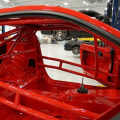
A roll cage is another vital component of drag racing safety. It provides structural integrity to the vehicle and protects the driver in case of a rollover or collision.Here are some key points to consider when it comes to roll cages:
- Design: The roll cage should be designed specifically for your vehicle type and comply with racing regulations.
- Material: Most roll cages are made from steel or chromoly tubing, which offers excellent strength-to-weight ratios.
- Installation: Proper installation is critical; consider having it professionally installed to ensure maximum safety.
Safety Equipment Checklist
To ensure you have all necessary safety gear before hitting the track, consider this checklist:- Helmet: Full-face helmet with proper certification.
- Fire-resistant suit: Made from materials like Nomex or Kevlar.
- Gloves: Fire-resistant gloves that provide grip and protection.
- Shoes: Fire-resistant racing shoes designed for comfort and control.
- Neck brace: To prevent whiplash during sudden stops or collisions.
Frequently Asked Questions About Drag Racing Gear
When it comes to drag racing services, safety is paramount, and the right gear is essential for both performance and protection. Here are some frequently asked questions regarding the necessary gear for drag racing:What type of helmet do I need for drag racing?
A certified racing helmet is crucial. Look for a helmet that meets the Snell or SFI standards, as these certifications ensure that the helmet can withstand high-impact forces. Full-face helmets are recommended for maximum protection.Is a fire suit necessary?
Yes, a fire-resistant suit is a requirement in most drag racing events.These suits are made from materials like Nomex or Kevlar, which provide excellent heat resistance. Ensure that your suit is properly fitted and meets the SFI specifications for your specific class of racing.
Do I need gloves?
Absolutely! Racing gloves not only enhance grip on the steering wheel but also provide an additional layer of protection against heat and fire. Look for gloves that are made from flame-resistant materials and have a snug fit.What about footwear?
Your choice of footwear is also important in drag racing. Opt for racing shoes that are designed to be lightweight and flame-resistant.These shoes should provide good pedal feel and grip, allowing for better control during races.
Are there any additional safety items I should consider?
- Neck restraints: These devices help prevent head and neck injuries during high-speed crashes.
- HANS device: A Head and Neck Support device is highly recommended for added safety.
- Cage or roll bar: Ensure your vehicle is equipped with proper roll protection to safeguard against rollovers.
Conclusion: Prioritizing Safety in Drag Racing Events
In conclusion, participating in drag racing is an exhilarating experience that demands not only skill and precision but also a strong commitment to safety. As we have discussed, wearing the appropriate gear is crucial for protecting yourself from the inherent risks associated with high-speed racing.To recap, here are the essential safety gear items every drag racer should consider:- Helmet: A certified helmet is non-negotiable. It protects your head from potential impacts and should meet the standards set by organizations like Snell or SFI.
- Fire Suit: A flame-resistant suit is vital for shielding your body from fire hazards.
Look for suits rated by SFI to ensure maximum protection.
- Gloves: Fire-resistant gloves not only protect your hands but also provide better grip on the steering wheel, enhancing control during races.
- Footwear: Proper racing shoes made from fire-resistant materials can prevent burns and provide better pedal control.
- Neck Restraint: This device minimizes the risk of neck injuries during sudden stops or collisions, making it an essential part of your gear.