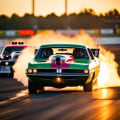
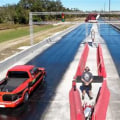
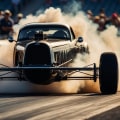
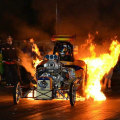
Drag racing is an exhilarating motorsport that captivates both participants and fans alike. It involves high-speed races between two vehicles on a straight track, where the thrill of acceleration and the roar of engines create an electrifying atmosphere. As a participant, you not only experience the adrenaline rush of competing but also the camaraderie that comes with being part of a vibrant community. However, one question often arises: can I bring spectators to watch me participate in drag racing?The answer largely depends on the specific drag racing services and events you are involved in.
Many drag racing venues encourage spectator involvement, recognizing that fans play a crucial role in enhancing the overall experience. Spectators bring energy to the event, cheering on their favorite racers and contributing to the lively environment that makes drag racing so special. However, policies regarding spectators can vary significantly from one venue to another. Some tracks have designated areas for spectators, while others may have restrictions based on safety regulations or event type. Understanding these s spectator policies is essential for both racers and their supporters.
As we delve deeper into this topic, we will explore the various rules and guidelines surrounding spectator attendance at drag racing events, ensuring you have all the information needed to enjoy this thrilling sport with your friends and family.
Overview of Drag Racing Services
Understanding drag racing services is essential for both participants and spectators. These services encompass a variety of events and activities designed to enhance the drag racing experience, whether you are behind the wheel or cheering from the sidelines.There are several types of drag racing events, each catering to different levels of skill and vehicle types:- Bracket Racing: This format allows drivers of varying skill levels to compete against each other. Each racer is given a time target, and the goal is to get as close to that time as possible without going over.
- Heads-Up Racing: In this competitive format, two racers go head-to-head with no time restrictions. The first one to cross the finish line wins, making it a thrilling spectacle for spectators.
- Index Racing: Similar to bracket racing, but with a set index time that competitors must not exceed.
This adds an extra layer of strategy to the race.
- Pro Racing: This includes professional-level events featuring high-performance vehicles and skilled drivers. These races often attract large crowds and are known for their intense competition.
Can Spectators Attend Drag Racing Events?
Yes, spectators can generally attend drag racing events, but specific rules and regulations may vary depending on the venue and the type of event.Most drag racing tracks welcome fans to come and enjoy the high-speed action, but it’s essential to be aware of the spectator rules that each facility enforces.Here are some common drag racing attendance policies you might encounter:
- Ticket Purchase: Most events require spectators to purchase tickets in advance or at the gate. Prices can vary based on the event's popularity and the amenities offered.
- Age Restrictions: Some tracks may have age restrictions for spectators, especially in areas close to the racing action. Always check if minors are allowed and if they need to be accompanied by an adult.
- Safety Gear: While spectators are not required to wear safety gear like drivers, it’s advisable to dress appropriately for the weather and consider ear protection due to the loud noise of racing engines.
- Designated Areas: Spectators must remain in designated viewing areas. These zones are specifically chosen for safety reasons, ensuring that fans can enjoy the races without being in harm's way.
- No Outside Food or Drink: Many venues have policies against bringing outside food or beverages.
Instead, they offer concessions on-site, which helps support the track and enhances your experience.
Factors Influencing Spectator Attendance
When considering whether spectators can attend drag racing events, several factors come into play. Understanding these elements can help you determine the best options for inviting friends and family to share in the excitement.- Event Type: Different types of drag racing events have varying rules regarding spectator attendance. For instance, professional events often have designated spectator areas and may require tickets for entry.
In contrast, informal or local races might allow more flexibility, sometimes permitting spectators without prior arrangements.
- Location: The venue where the drag racing takes place significantly influences spectator policies. Some tracks are well-equipped for large audiences, featuring grandstands and facilities that accommodate fans. Others may be smaller and have restrictions on the number of attendees due to safety regulations or space limitations.
- Rules and Regulations: Each racing venue has its own set of rules that dictate spectator attendance. It’s essential to check with the specific track or event organizers for their policies.
Some locations may require advance registration for spectators, while others might have age restrictions or specific guidelines regarding what items can be brought into the venue.
Safety Regulations for Spectators at Drag Racing Events
When attending drag racing events, it is crucial for spectators to understand and adhere to specific drag racing safety regulations.These regulations are designed not only to protect the participants but also to ensure the safety of all attendees.
Key Safety Regulations for Spectators:
- Designated Viewing Areas: Spectators must remain in designated viewing areas that are clearly marked. These zones are strategically located to provide a safe distance from the racing action while still offering a great view.
- Age Restrictions: Many events have age restrictions for spectators. Children may not be allowed in certain areas, especially those close to the track, due to safety concerns.
- Personal Protective Equipment (PPE): Depending on the event, wearing appropriate PPE such as ear protection and closed-toe shoes may be required. This equipment helps mitigate risks associated with high noise levels and potential debris.
- No Alcohol Consumption: Most drag racing events prohibit alcohol consumption in spectator areas.
This rule is enforced to maintain a safe environment and ensure that all attendees can react appropriately in case of an emergency.
- Follow Event Staff Instructions: Spectators should always listen to event staff and follow their instructions. They are trained to manage crowd safety and will provide guidance during the event.
Event Safety Measures:
In addition to regulations, drag racing events implement various safety measures to protect spectators. These may include:
- Barrier Systems: Physical barriers are often installed between the track and spectator areas to prevent any potential accidents from affecting the audience.
- Emergency Response Teams: Events typically have trained medical personnel on-site ready to respond quickly in case of an incident.
- Regular Safety Briefings: Before races begin, announcements are made regarding safety protocols, ensuring that all spectators are informed of what to expect and how to stay safe.
Frequently Asked Questions About Spectators in Drag Racing
When it comes to drag racing services, many participants and fans often have questions about the presence of spectators at events. Here are some common inquiries regarding spectators in drag racing:- Can I bring friends or family to watch me race?
Yes, most drag racing events allow participants to bring spectators.It’s a great way to share the excitement with loved ones.
- Are there any restrictions on the number of spectators?
While many venues do not impose strict limits, it’s advisable to check with the specific event organizers for any guidelines or capacity restrictions. - Do spectators need to purchase tickets?
Typically, yes. Most drag racing events require spectators to buy tickets for entry. Prices can vary based on the event and location. - What should spectators expect at a drag racing event?
Spectators can look forward to thrilling races, food vendors, merchandise stalls, and sometimes even meet-and-greet opportunities with drivers. - Is there a designated area for spectators?
Yes, events usually have specific areas where spectators can safely watch the races. These areas are designed to provide a good view while ensuring safety. - Can children attend drag racing events?
Most events are family-friendly, but it’s important to check age restrictions and safety guidelines beforehand.
Always verify specific event rules and regulations to ensure a smooth experience for everyone involved.
Conclusion: Key Takeaways on Spectator Policies in Drag Racing
In conclusion, understanding the spectator policies associated with drag racing services is crucial for both participants and their supporters. Here are the key takeaways regarding bringing spectators to drag racing events:- Check Venue Regulations: Each drag racing venue may have its own set of rules regarding spectators. It’s essential to verify these regulations ahead of time to avoid any surprises on race day.
- Ticketing Requirements: Many events require spectators to purchase tickets. Ensure that your friends and family are aware of any ticketing requirements and purchase them in advance if necessary.
- Age Restrictions: Some venues impose age restrictions for spectators, particularly in the pit areas or during specific events.
Always confirm these details to ensure a smooth experience for everyone attending.
- Safety Protocols: Safety is paramount in drag racing. Spectators should adhere to all safety protocols outlined by the event organizers, including designated viewing areas and wearing appropriate gear if required.
- Parking and Accessibility: Consider the logistics of parking and accessibility for your spectators. Some venues offer designated parking areas for spectators, while others may have limited space available.