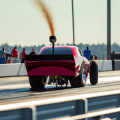
Drag racing is a thrilling motorsport that captivates enthusiasts with its high-speed competition and precision engineering. At the heart of this sport lies a critical component that can significantly influence a vehicle's performance: the tires. Understanding tire regulations is essential for anyone involved in drag racing services, whether you're a seasoned racer or a newcomer eager to hit the track. The right tires not only enhance grip and acceleration but also ensure compliance with the rules set forth by racing organizations.The types of tires used in drag racing are not merely a matter of preference; they are subject to strict regulations that vary by class and event.
These regulations dictate everything from tire width to tread patterns, impacting how vehicles perform under the intense conditions of a drag race. For instance, slick tires, which have no tread, are commonly used in professional drag racing due to their superior traction on the track. However, certain classes may require specific tire types to level the playing field among competitors.As you delve deeper into the world of drag racing, it becomes clear that tire selection is a pivotal aspect of race strategy. Not only do tires affect acceleration and speed, but they also play a crucial role in safety and vehicle handling.
Understanding these drag racing tires regulations can help racers make informed decisions that align with their goals while ensuring they remain within the bounds of the law. This knowledge is vital for optimizing performance and achieving success on the track.
Overview of Drag Racing Services
Drag racing is a thrilling motorsport that involves high-speed competition between vehicles over a short distance, typically a quarter-mile.Drag racing services
encompass a variety of events, from amateur races at local tracks to professional competitions featuring top-tier teams and vehicles. Understanding the different types of drag racing and the regulations surrounding them is crucial for participants and fans alike.There are several types of drag racing events, including:- Bracket Racing: This format allows drivers of varying skill levels to compete against each other by matching their vehicles' performance to a predetermined time.
- Heads-Up Racing: In this format, competitors race against each other without any time restrictions, making it a true test of speed and skill.
- Pro Racing: This includes professional leagues such as the NHRA (National Hot Rod Association), where highly modified vehicles compete for national titles.
Tires are specifically designed to provide maximum grip and stability during acceleration, which is critical for achieving optimal performance. However, there are strict regulations regarding the types of tires that can be used in various drag racing events. These regulations ensure fair competition and safety on the track.For instance, in professional drag racing, teams often use specialized slick tires that have no tread pattern to maximize contact with the track surface. In contrast, bracket racers may use street-legal tires that comply with safety standards while still offering decent performance.
Understanding these tire classifications is essential for anyone involved in drag racing services, as using the wrong type of tire can lead to disqualification or safety hazards.In summary, drag racing services offer a diverse range of events that cater to different skill levels and vehicle types. The importance of adhering to tire regulations cannot be overlooked, as they play a vital role in ensuring both competitive integrity and participant safety.
Types of Tires Used in Drag Racing
In the world of drag racing, the choice of tires can significantly impact performance and safety. Understanding the different types of tires available is essential for racers looking to optimize their vehicles for the track.Slick Tires
Slick tires are a popular choice among drag racers due to their design, which features a smooth surface without any tread. This design maximizes the contact area with the track, providing superior grip and traction during acceleration.Slicks are typically made from a soft rubber compound that enhances their ability to conform to the racing surface, allowing for better performance in terms of speed and stability.
Radial Tires
Radial tires, on the other hand, have a different construction that includes layers of fabric arranged radially from the center of the tire. This design allows for more flexibility and can provide better handling characteristics compared to slicks. While radial tires may not offer the same level of grip as slicks in certain conditions, they are often favored for their durability and versatility, making them suitable for both drag racing and street use.Choosing the Right Tire
When selecting tires for drag racing services, racers must consider several factors:- Track Conditions: The type of surface (asphalt vs. concrete) can influence tire performance.
- Vehicle Type: Different vehicles may require specific tire types based on weight and power output.
- Weather Conditions: Rain or humidity can affect tire grip, making some options more suitable than others.
Whether opting for the maximum grip of slicks or the versatility of radials, choosing the right tire is crucial for achieving success in drag racing.
Regulations Governing Tire Usage in Drag Racing
In the world of drag racing, adherence to specific regulations regarding tire usage is crucial for both safety and performance. Organizations like the National Hot Rod Association (NHRA) have established comprehensive rules that govern the types of tires that can be used in various classes of drag racing.One of the primary considerations in drag racing tire regulations is the type of tire compound. The NHRA specifies that tires must be designed specifically for drag racing, which typically means they should have a softer compound to provide maximum grip on the track. This is essential for achieving optimal acceleration and minimizing wheel spin during a race.Additionally, there are restrictions on tire size and width, which vary depending on the class of the vehicle.For instance:
- Top Fuel and Funny Car: These classes often utilize wider tires to handle the immense power generated by their engines.
- Pro Stock: Vehicles in this category must adhere to strict size regulations, ensuring a level playing field among competitors.
- Sportsman Classes: These classes may have more lenient rules, but racers still need to comply with specific tire dimensions set by the NHRA.
By adhering to these guidelines set forth by organizations like the NHRA, competitors can ensure they are not only following the rules but also optimizing their vehicle's performance on the track.
Impact of Tire Choice on Performance
In the world of drag racing, the choice of tires is crucial for achieving optimal performance. The right tires can significantly enhance a vehicle's acceleration, grip, and overall speed on the track. Understanding how different tire types affect these factors is essential for any serious racer.Tire Performance in Drag Racing
- Drag Slicks: These tires are designed specifically for drag racing, featuring a smooth surface that maximizes contact with the track. Their lack of tread allows for greater grip, which is vital during the initial launch.
- Radial Tires: While not as common in professional drag racing, radial tires can offer better handling and stability at higher speeds.
They are often used in classes where versatility is required.
- Street Tires: Some racers opt for street tires in certain classes, but these typically provide less grip and slower acceleration compared to dedicated drag tires.
Conversely, higher pressure can improve stability but may reduce traction during acceleration.Ultimately, selecting the right tires for drag racing involves balancing various factors such as tire type, pressure, and track conditions. Racers must consider their specific needs and goals to ensure they achieve the best possible performance on race day.
Common Misconceptions About Drag Racing Tires
When it comes to drag racing tires, there are several misconceptions that can lead to confusion among racers, especially those new to the sport. Understanding these myths is crucial for making informed decisions about tire selection and performance.- Myth 1: Any tire can be used for drag racing. This is far from the truth. While some may think that any high-performance tire will suffice, drag racing requires specialized tires designed to handle the unique demands of the track.
These tires are engineered for maximum grip and minimal rolling resistance, which standard performance tires cannot provide.
- Myth 2: Drag racing tires are only for professional racers. Many enthusiasts believe that drag racing tires are exclusively for professional teams. In reality, amateur racers can benefit significantly from using the right tires. Investing in quality drag racing tires can enhance traction and improve overall performance, regardless of skill level.
- Myth 3: Tire pressure doesn’t matter. Some racers underestimate the importance of tire pressure, thinking that any setting will work. However, maintaining the correct tire pressure is vital for achieving optimal grip and performance on the track.
Too much or too little pressure can lead to poor traction and increased wear.
- Myth 4: All drag racing tires are slicks. While many associate drag racing with slick tires, there are various types available, including radial and bias-ply options. Each type has its own advantages depending on the vehicle and track conditions. Understanding these differences can help racers choose the best tire for their specific needs.
Frequently Asked Questions About Drag Racing Tires
When it comes to drag racing tires, enthusiasts often have numerous questions regarding their specifications, usage, and regulations.Here are some of the most frequently asked questions:
What types of tires are allowed in drag racing?
In drag racing, the type of tires you can use largely depends on the class you are competing in. Generally, there are two main categories:- Street Tires: These are designed for everyday use and must meet certain tread depth requirements. They are typically used in classes that allow for more versatility.
- Drag Slicks: These tires have a smooth surface and are specifically designed for maximum traction on the drag strip. They are commonly used in professional drag racing.
Are there any restrictions on tire size?
Yes, many drag racing organizations impose restrictions on tire size to ensure fair competition.Each class may have specific guidelines regarding the width and diameter of tires. It’s essential to check the rules of your specific racing organization before selecting your tires.
Can I use used tires for drag racing?
While it is possible to use used tires, it is not recommended due to safety concerns. Worn-out tires can significantly affect performance and increase the risk of accidents. Always opt for high-quality, well-maintained tires to ensure optimal performance.What is the importance of tire pressure in drag racing?
Tire pressure plays a crucial role in drag racing performance.Properly inflated tires provide better traction and stability during a race. Most racers will adjust their tire pressure based on track conditions and their vehicle's setup to achieve the best results.If you have more questions about drag racing services or need assistance with tire selection, don’t hesitate to reach out to your local racing community or professionals who specialize in this area.
Conclusion: Key Takeaways on Tire Restrictions in Drag Racing
In summary, understanding the restrictions on tire types in drag racing is crucial for any competitor looking to optimize their performance and adhere to regulations. Throughout this article, we have explored various aspects of tire restrictions that can significantly impact race outcomes.Key Takeaways:- Regulatory Compliance: Each drag racing organization has specific rules regarding tire specifications, including size, tread design, and compound. Familiarizing yourself with these regulations is essential to avoid disqualification.
- Performance Considerations: The right tires can enhance traction and stability, which are vital for achieving optimal acceleration.
Understanding the differences between slicks and street tires can help racers make informed choices.
- Safety Factors: Using tires that meet safety standards not only protects the driver but also ensures the integrity of the racing event. Non-compliant tires can lead to dangerous situations on the track.
- Event-Specific Rules: Different events may have unique tire requirements. Always check the rules for each specific event you plan to enter to ensure compliance.