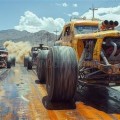
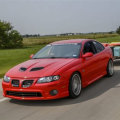
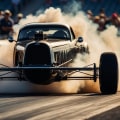
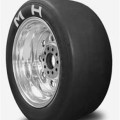
Drag racing is an exhilarating motorsport that pits vehicles against each other in a straight-line race over a short distance, typically a quarter-mile. This high-speed competition not only tests the skill of the driver but also showcases the engineering prowess behind the vehicles. As enthusiasts flock to drag racing services, understanding the types of vehicles that can participate becomes essential for both newcomers and seasoned fans alike. From powerful muscle cars to finely-tuned motorcycles, the world of drag racing is diverse and exciting. Each vehicle type brings its own unique characteristics and performance capabilities to the track.
For instance, street-legal cars often compete alongside purpose-built dragsters, creating a thrilling atmosphere where speed and precision reign supreme. Additionally, top fuel dragsters, known for their incredible acceleration and horsepower, represent the pinnacle of drag racing technology. As we delve deeper into this electrifying sport, we will explore the various categories of vehicles that participate in drag racing events. Whether you are a fan of classic cars or modern supercars, understanding these classifications will enhance your appreciation for the sport and its vibrant community. Join us as we uncover the fascinating world of drag racing vehicles and what makes each type uniquely suited for this adrenaline-fueled competition.
Understanding Drag Racing Services
Drag racing services encompass a wide range of facilities and support systems designed to enhance the experience for both participants and spectators.These services are crucial for ensuring that events run smoothly and safely, allowing racers to focus on their performance.
Track Facilities
- Purpose-built tracks: Drag racing services provide access to specialized tracks that are designed for high-speed racing. These tracks are equipped with safety features such as barriers, runoff areas, and timing systems.
- Pit areas: Participants benefit from designated pit areas where they can prepare their vehicles, make adjustments, and conduct repairs between races.
- Spectator amenities: Many drag racing venues offer seating, concessions, and restrooms to enhance the spectator experience, making it enjoyable for fans of all ages.
Event Organization
- Scheduling: Drag racing services include the organization of race schedules, ensuring that events are well-timed and that participants have ample opportunity to compete.
- Safety protocols: Event organizers implement strict safety measures to protect both racers and spectators. This includes pre-race inspections and emergency response plans.
- Classifications: Races are often categorized by vehicle type or performance level, allowing for fair competition among similar vehicles.
Support for Participants
- Technical assistance: Many drag racing services offer technical support to help participants optimize their vehicles for performance. This can include advice on tuning, tire selection, and weight distribution.
- Community engagement: Drag racing events foster a sense of community among participants, providing networking opportunities and camaraderie among racers.
- Training programs: Some organizations offer training sessions or workshops for novice racers to learn the fundamentals of drag racing, enhancing their skills and confidence on the track.
Understanding these services can help aspiring racers navigate the world of drag racing more effectively.
Types of Vehicles in Drag Racing
Drag racing is an exhilarating motorsport that attracts a diverse range of vehicles, each designed for speed and performance. Understanding the types of vehicles that can participate in drag racing is essential for enthusiasts and newcomers alike.Drag Racing Cars
When most people think of drag racing, drag racing cars come to mind. These vehicles are specifically engineered for straight-line speed and often feature powerful engines, lightweight frames, and advanced aerodynamics. Common categories include:- Top Fuel Dragsters: These are the fastest cars in the sport, capable of reaching speeds over 330 mph in just a few seconds.
- Funny Cars: Similar to Top Fuel cars but with a different body style, Funny Cars also utilize supercharged engines and can achieve incredible speeds.
- Pro Stock Cars: These vehicles resemble production cars but are heavily modified for performance, focusing on both speed and handling.
Motorcycles in Drag Racing
Another exciting category is motorcycles in drag racing.Drag bikes are built for speed and often feature modifications that enhance their power-to-weight ratio. Key types include:
- Top Fuel Motorcycles: These are the two-wheeled counterparts to Top Fuel dragsters, boasting similar speeds and acceleration.
- Pro Stock Motorcycles: These bikes are designed to resemble street-legal motorcycles but are optimized for racing.
Specialty Vehicles
In addition to traditional cars and motorcycles, drag racing also welcomes a variety of specialty vehicles. This includes:- Electric Drag Racing Vehicles: With the rise of electric technology, many racers are now competing with electric-powered vehicles that can deliver impressive acceleration.
- Street Legal Cars: Many enthusiasts enjoy participating in events with their modified street cars, showcasing their performance while adhering to safety regulations.
Drag Racing Cars: Categories and Specifications
Drag racing is an exhilarating motorsport that showcases a variety of vehicles, each designed for speed and performance.Understanding the different categories of drag racing cars is essential for enthusiasts and participants alike. Below are some of the most prominent categories:
- Top Fuel: These are the fastest drag racing cars, capable of reaching speeds over 330 mph in just a few seconds. They are powered by supercharged nitromethane engines that produce over 11,000 horsepower. Top Fuel cars are known for their incredible acceleration and are a staple in professional drag racing.
- Funny Cars: Similar to Top Fuel cars, Funny Cars also utilize nitromethane engines but feature a different body style that resembles production vehicles.
They can reach speeds of up to 300 mph and are known for their unique, often flamboyant designs. The chassis is built to withstand extreme forces during races.
- Pro Stock: These cars represent a more production-based category, with engines limited to 500 cubic inches. Pro Stock vehicles can reach speeds of around 200 mph and must maintain a resemblance to factory models. This category emphasizes both speed and technical precision, making it a favorite among fans.
- Super Comp: This category allows for a variety of vehicles, including altered and dragster styles.
Super Comp cars typically run on alcohol or gasoline and must adhere to specific weight and performance standards. They focus on elapsed time rather than speed, making them unique in the drag racing world.
- Street Legal: For those looking to participate in drag racing without extensive modifications, street legal cars offer an entry point. These vehicles must meet certain safety requirements while still being able to drive on public roads. They provide an accessible way for enthusiasts to experience the thrill of drag racing.
Understanding these specifications is crucial for anyone interested in participating in drag racing services. Whether you’re a seasoned racer or a newcomer, knowing the distinctions between these categories can enhance your experience and appreciation for this high-speed sport.
Motorcycles in Drag Racing: A Unique Perspective
When it comes to drag racing, motorcycles offer a thrilling and unique perspective that sets them apart from traditional four-wheeled vehicles. The world of drag racing services encompasses a variety of motorcycle types, each designed for speed, agility, and performance on the strip.Types of Drag Racing Motorcycles
- Pro Stock Motorcycles: These are purpose-built machines that resemble street bikes but are heavily modified for maximum performance. They typically feature powerful engines and advanced aerodynamics.
- Top Fuel Motorcycles: Known for their incredible acceleration, these bikes are equipped with nitromethane engines that can produce over 8,000 horsepower.
They are among the fastest motorcycles in the world.
- Super Comp Motorcycles: These bikes compete in a bracket racing format, where consistency and reaction time are key. They often have modified engines and lightweight frames to enhance speed.
- Street Bikes: Some enthusiasts participate in drag racing using modified street bikes. While not as powerful as dedicated drag racing motorcycles, they provide an entry point for newcomers to the sport.
Motorcycle Specifications for Drag Racing
The specifications for motorcycles participating in drag racing can vary significantly based on the class and type of competition. However, certain features are commonly found across most competitive drag racing motorcycles:- Engine Modifications: High-performance engines with enhanced displacement and turbocharging or supercharging capabilities are standard.
- Aerodynamics: Streamlined designs and fairings help reduce drag and improve speed during runs.
- Tires: Specialized tires designed for maximum grip on the starting line are crucial for achieving optimal acceleration.
- Suspension Systems: Advanced suspension setups allow for better weight transfer during launches, improving traction and stability.
Whether you’re a seasoned racer or a curious spectator, the sight of these powerful motorcycles tearing down the track is nothing short of exhilarating.
Specialty Vehicles: The Unconventional Participants
In the world of drag racing, the landscape is continually evolving, with a growing number of specialty vehicles making their mark on the track. These unconventional participants not only challenge traditional norms but also showcase the versatility and innovation within the sport.Electric Vehicles: The New Contenders
One of the most exciting developments in drag racing is the rise of electric vehicles (EVs). Brands like Tesla and Rimac have introduced high-performance models that can compete with traditional gas-powered cars. With instant torque and rapid acceleration, these EVs are not just eco-friendly alternatives; they are serious contenders on the drag strip.Events like the Electric Vehicle Drag Racing Association highlight how these vehicles are reshaping perceptions and pushing boundaries.
Trucks and SUVs: The Unexpected Racers
While drag racing is often associated with sleek sports cars, trucks and SUVs have carved out their niche in this high-speed arena. Modified pickups and performance-oriented SUVs can deliver impressive times, proving that size doesn’t always dictate speed. Events specifically catering to these vehicles allow enthusiasts to showcase their power and performance, further diversifying the drag racing community.Unique Custom Builds
The creativity of drag racers knows no bounds, leading to a plethora of unique vehicles that defy categorization. From classic muscle cars retrofitted with modern technology to bizarre custom builds featuring unconventional designs, these racers bring a personal touch to the sport.Each vehicle tells a story, reflecting the passion and ingenuity of its creator.
- Pro Mods: These heavily modified cars often blur the lines between street legality and race-ready machines.
- Motorcycles: High-performance bikes have also found their place in drag racing, showcasing incredible speed and agility.
- ATVs and UTVs: All-terrain vehicles are making appearances in specialized events, adding another layer of excitement.
Frequently Asked Questions About Drag Racing Vehicles
When it comes to drag racing services, many enthusiasts often wonder what types of vehicles are eligible to participate. Below are some frequently asked questions that can help clarify vehicle eligibility and types in drag racing.What types of vehicles can participate in drag racing?
Drag racing is open to a wide variety of vehicles, including:- Street Cars: Many drag racers start with their everyday vehicles, which can range from sedans to sports cars. These cars must meet specific safety requirements but can be modified for better performance.
- Modified Cars: Vehicles that have undergone significant modifications, such as enhanced engines, suspension upgrades, and weight reduction, are common in drag racing.
These modifications help improve speed and handling on the track.
- Race Cars: Purpose-built race cars are designed specifically for drag racing. They often feature high-performance engines, specialized tires, and lightweight materials to maximize speed.
- Motorcycles: Drag racing is not limited to four-wheeled vehicles; motorcycles also compete in various classes. These bikes are often modified for speed and acceleration.
- ATVs and UTVs: All-terrain vehicles (ATVs) and utility task vehicles (UTVs) have their own categories in some drag racing events, showcasing their unique capabilities.
Are there any restrictions on vehicle modifications?
Yes, while modifications are encouraged to enhance performance, there are specific rules set by different racing organizations. Common restrictions may include:- Safety equipment requirements such as roll cages and harnesses.
- Engine displacement limits depending on the class.
- Tire specifications to ensure fair competition.
Can I use my daily driver for drag racing?
Absolutely! Many racers use their daily drivers for drag racing events.However, it’s essential to ensure that your vehicle meets the safety standards required by the event organizers. Modifications may be necessary to enhance performance and safety.In summary, a diverse range of vehicles can participate in drag racing, from street cars to specialized race machines. Understanding the eligibility criteria and modification rules is crucial for anyone looking to engage in this thrilling motorsport.
Conclusion: The Diversity of Vehicles in Drag Racing
In conclusion, the world of drag racing is as diverse as the vehicles that participate in it. From high-performance sports cars to custom-built dragsters, the variety of machines on the track showcases the creativity and engineering prowess of enthusiasts and professionals alike.Throughout this article, we explored several categories of vehicles that can engage in drag racing services, including:- Production Cars: These are standard vehicles modified for performance, often seen in amateur races.
- Sports Cars: High-performance models from manufacturers like Ford, Chevrolet, and Nissan are popular choices due to their speed and agility.
- Motorcycles: Drag racing isn’t limited to four wheels; motorcycles also have a significant presence on the track, with dedicated classes for various types.
- Custom Dragsters: These purpose-built machines are engineered for maximum speed and acceleration, often featuring powerful engines and lightweight frames.
- Funny Cars: A unique category within drag racing, these vehicles are designed for extreme performance and often feature a body style that resembles a production car.
- Pro Mods: These are heavily modified vehicles that push the limits of speed and technology, attracting serious competitors.
Whether you’re a casual racer or a seasoned professional, there’s a place for you on the drag strip. This inclusivity fosters a vibrant community where enthusiasts can share their passion for speed and innovation.Ultimately, the variety of vehicles participating in drag racing reflects the sport's dynamic nature. As technology advances and new models emerge, we can expect to see even more exciting developments in this thrilling motorsport.