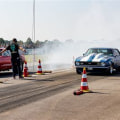
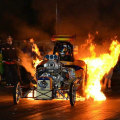
Drag racing is a thrilling motorsport that captivates enthusiasts and casual fans alike. It involves two vehicles racing down a straight track, typically a quarter-mile, to see who can reach the finish line first. The excitement of drag racing lies not only in the speed and power of the cars but also in the skill of the drivers and the precision of their launches. As this sport has evolved, it has gained immense popularity, leading to a diverse array of drag racing services that cater to different types of racers and spectators. Understanding the various categories within drag racing is essential for anyone looking to dive deeper into this exhilarating world.
From amateur enthusiasts to professional competitors, each category offers unique challenges and experiences. For instance, some categories focus on street-legal vehicles, while others showcase high-performance machines built for speed. This classification not only helps in organizing events but also allows participants to compete against others with similar vehicles and skill levels. The significance of these categories extends beyond mere classification; they shape the culture and community surrounding drag racing. By recognizing the different types of drag racing, fans can appreciate the nuances that make each event special.
Whether you are interested in attending a local race or considering participating yourself, understanding these distinctions will enhance your experience and appreciation for this high-octane sport.
What is Drag Racing?
Drag racing is a form of motor racing in which vehicles compete to be the first to cross a finish line, typically over a straight quarter-mile or eighth-mile track. This exhilarating sport has captivated audiences since its inception, showcasing not only speed but also the engineering prowess behind high-performance vehicles.The origins of drag racing can be traced back to the post-World War II era in the United States, particularly in California. As soldiers returned home, they brought with them a passion for speed and competition. The first organized drag races took place on public roads, where enthusiasts would gather to test their cars against one another.This informal racing quickly evolved into more structured events, leading to the establishment of official drag strips.By the 1950s, drag racing began to gain popularity, with the formation of various organizations dedicated to promoting the sport. The National Hot Rod Association (NHRA), founded in 1951, played a pivotal role in standardizing rules and regulations, ensuring fair competition and safety for participants. As the sport grew, so did the technology behind it; innovations in engine design, aerodynamics, and materials have continually pushed the limits of what is possible on the track.Today, drag racing encompasses a wide range of classes and categories, each with its own set of rules and specifications. From Top Fuel dragsters that can reach speeds exceeding 330 mph in just a few seconds to Super Street classes that focus on street-legal vehicles, there is something for everyone in this thrilling motorsport.Understanding the history and evolution of drag racing is essential for appreciating its current landscape.
As technology advances and new classes emerge, drag racing services continue to adapt, providing enthusiasts with opportunities to participate in this fast-paced world.
Categories of Drag Racing
Drag racing is a thrilling motorsport that encompasses a variety of categories and classes, each designed to showcase different types of vehicles and racing styles. Understanding these categories is essential for both participants and fans, as they highlight the diversity within the sport. Here are some of the primary categories of drag racing:- Top Fuel: This is the fastest class in drag racing, featuring cars powered by nitromethane fuel. Top Fuel dragsters can reach speeds exceeding 330 mph in just a few seconds, making them a fan favorite.
- Funny Car: Similar to Top Fuel, Funny Cars are also incredibly fast but have a different body style resembling production cars. They utilize supercharged engines and can achieve remarkable speeds, often competing closely with Top Fuel vehicles.
- Pro Stock: This category focuses on factory-based vehicles that maintain a more traditional appearance.
Pro Stock cars are heavily modified but must adhere to strict regulations regarding engine size and weight, making this class a test of both speed and engineering.
- Super Comp: Aimed at amateur racers, Super Comp allows for a wide range of vehicles while emphasizing consistency and reaction time. Racers compete in a bracket format, making it accessible for newcomers.
- Street Legal: This category includes vehicles that are legally allowed on public roads. Street Legal races are popular among enthusiasts who want to showcase their modified street cars in a safe environment.
Whether you’re a seasoned racer or a curious spectator, understanding these classes can deepen your appreciation for this exhilarating sport.
NHRA vs. IHRA: Understanding the Major Sanctioning Bodies
In the world of drag racing, two major sanctioning bodies dominate the landscape: the National Hot Rod Association (NHRA) and the International Hot Rod Association (IHRA). Each organization plays a crucial role in regulating and categorizing various classes of drag racing, ensuring that competitors adhere to safety standards and competitive fairness.NHRA Overview
- The NHRA, founded in 1951, is the largest and most recognized drag racing organization in the United States.
- It features a wide range of classes, from Top Fuel and Funny Car to Super Comp and Stock Eliminator.
- The NHRA emphasizes safety and has strict regulations regarding vehicle specifications, driver qualifications, and track conditions.
IHRA Overview
- The IHRA was established in 1970 and serves as a competitor to the NHRA, focusing on grassroots racing.
- It offers classes such as Pro Mod, Top Sportsman, and Super Stock, catering to a diverse range of racers.
- The IHRA is known for its more relaxed rules compared to the NHRA, making it appealing for amateur racers.
Key Differences Between NHRA and IHRA
- Regulatory Approach: The NHRA tends to have stricter regulations, while the IHRA allows for more flexibility in vehicle modifications.
- Event Structure: NHRA events are often larger and more commercialized, whereas IHRA events may focus more on local participation.
- Audience Reach: The NHRA has a broader national audience due to its extensive media coverage and sponsorship deals.
Popular Classes in Drag Racing
Drag racing is a thrilling motorsport that features various classes, each with its own unique characteristics and rules.Understanding these popular drag racing classes can enhance your appreciation for the sport and help you choose the right drag racing services to follow or participate in.
Top Fuel
Top Fuel is often considered the pinnacle of drag racing. These cars are powered by nitromethane and can reach speeds exceeding 330 mph in just a few seconds. The sheer power and acceleration make Top Fuel a fan favorite, showcasing the ultimate in engineering and driver skill.Funny Car
Similar to Top Fuel, Funny Cars also utilize nitromethane but feature a different body style that resembles a production car. The design is more aerodynamic, allowing for incredible speeds and quick times.The drivers often face unique challenges due to the car's design, making it an exciting class to watch.
Pro Stock
Pro Stock cars are built to resemble factory models but are heavily modified for performance. These vehicles run on gasoline instead of nitromethane, which sets them apart from the Top Fuel and Funny Car classes. Pro Stock emphasizes driver skill and vehicle tuning, making it a popular choice among enthusiasts.Super Comp and Super Gas
- Super Comp: This class features vehicles that run on a 8.90-second index, focusing on consistency and precision.
- Super Gas: Similar to Super Comp, but with a 9.90-second index, this class allows for more diverse vehicle types.
The Role of Technology in Drag Racing Classes
In the world of drag racing, technology plays a pivotal role in shaping the various classes and enhancing performance.From the early days of racing, where simple modifications were made to stock vehicles, to today’s highly specialized machines, advancements in technology have revolutionized the sport.
Advancements in Vehicle Design
- Lightweight Materials: Modern drag racers utilize advanced materials such as carbon fiber and aluminum alloys, which significantly reduce weight without compromising strength. This reduction in weight allows for faster acceleration and improved handling.
- Aerodynamics: The design of drag racing vehicles has evolved to include sophisticated aerodynamic features. Wind tunnels and computational fluid dynamics (CFD) simulations help engineers create shapes that minimize drag and maximize downforce, leading to better traction and speed on the track.
- Engine Technology: Innovations in engine design, including turbocharging and supercharging, have allowed racers to extract more power from smaller engines. Additionally, electronic fuel injection systems provide precise control over fuel delivery, optimizing performance under various conditions.
Impact of Technology on Performance
The integration of technology extends beyond just the vehicles themselves.
Timing systems and data analytics have transformed how teams approach races. With the use of advanced telemetry, teams can monitor real-time data on vehicle performance, allowing for immediate adjustments to improve outcomes.Furthermore, drag racing services have embraced technology to enhance spectator experiences. Live streaming, drone footage, and augmented reality applications provide fans with unprecedented access to races, making the sport more engaging than ever.In conclusion, technology is not just an accessory in drag racing; it is a fundamental component that defines the sport's evolution. As new innovations continue to emerge, they will undoubtedly shape the future of drag racing classes, pushing the boundaries of speed and performance even further.
Safety Regulations Across Different Classes
In the world of drag racing, safety is paramount, and regulations can vary significantly across different classes.Each class has its own set of rules designed to protect both drivers and spectators, ensuring that the thrill of the race does not come at the cost of safety.
General Safety Standards
Regardless of the class, all drag racers must adhere to certain general safety standards. These include:- Helmet Requirements: All drivers are required to wear helmets that meet specific safety ratings.
- Fire Suits: Depending on the class, drivers may need to wear fire-resistant suits to protect against flames in case of an accident.
- Roll Cages: Vehicles must be equipped with roll cages that meet the specifications for their respective class to provide structural integrity during a crash.
Class-Specific Regulations
Different classes have unique regulations that reflect the speed and power of the vehicles involved. Here are a few examples:- Top Fuel and Funny Car: These classes require advanced safety features such as multi-layer fire suits, specialized helmets, and extensive vehicle modifications to handle extreme speeds exceeding 300 mph.
- Pro Stock: While still fast, Pro Stock vehicles have slightly less stringent requirements compared to Top Fuel. However, they still mandate roll cages and specific safety gear.
- Sportsman Classes: These classes often have more lenient regulations but still require basic safety equipment like helmets and seat belts.
The focus is on making drag racing accessible while maintaining essential safety measures.
FAQs About Drag Racing Classes
When it comes to drag racing services, understanding the various classes and categories can be crucial for both participants and fans. Here are some frequently asked questions that can help clarify the different classes in drag racing.What are the main classes in drag racing?
Drag racing is typically divided into several main classes, each with its own set of rules and specifications.The most common classes include:
- Top Fuel: This is the fastest class, featuring cars that can reach speeds over 330 mph in just a few seconds.
- Funny Car: Similar to Top Fuel, these cars have a unique body style and also achieve incredible speeds.
- Pro Stock: These vehicles resemble production cars but are heavily modified for performance, focusing on speed and consistency.
- Super Comp: This class allows for a variety of vehicles, emphasizing elapsed time rather than speed.
- Street Legal: These are cars that can be driven on public roads, making them accessible for amateur racers.
How do I choose the right class for my vehicle?
Selecting the appropriate class depends on several factors, including your vehicle's specifications, your racing experience, and your goals. Here are some tips to help you decide:- Assess your vehicle: Determine what modifications have been made and how they align with class requirements.
- Consider your skill level: Beginners may want to start in less competitive classes like Street Legal or Super Comp.
- Research class rules: Each class has specific regulations regarding safety equipment, engine size, and modifications.
Are there age restrictions for participating in drag racing?
Yes, most drag racing events have age restrictions. Typically, participants must be at least 16 years old to race. However, younger drivers may participate in junior drag racing programs designed for kids aged 8 to 17, which provide a safe environment to learn the sport.Understanding these aspects of drag racing services can enhance your experience, whether you're a racer or a spectator.Always check with local tracks for specific rules and regulations related to each class before participating.
Conclusion: The Thrill of Drag Racing Classes
In conclusion, the world of drag racing is as diverse as it is thrilling, offering a variety of classes that cater to different types of vehicles and racing styles. From the high-octane excitement of Top Fuel and Funny Car to the more accessible realms of Super Comp and Street Eliminator, each class presents its own unique challenges and rewards.The distinctions between these classes not only highlight the technical prowess required in each category but also showcase the passion and dedication of the racers involved. Whether you are a seasoned professional or a newcomer to the sport, understanding these classifications enhances your appreciation for the skill and strategy that goes into every race.Moreover, the availability of drag racing services has made it easier for enthusiasts to participate in this exhilarating sport. From specialized tuning shops to comprehensive racing schools, aspiring racers can find the resources they need to hone their skills and improve their vehicles.This accessibility has contributed to a growing community that celebrates both competition and camaraderie.Ultimately, drag racing is not just about speed; it’s about the thrill of competition, the joy of community, and the relentless pursuit of perfection. As you explore the various classes and engage with fellow racers, you’ll discover that each event is a testament to human ingenuity and spirit. So whether you’re watching from the stands or gearing up for your own run down the strip, remember that every race is an opportunity to experience the electrifying world of drag racing.