Drag racing is an exhilarating motorsport that pits vehicles against each other in a straight-line race, typically over a quarter-mile distance. The thrill of speed and competition draws enthusiasts from all walks of life, but to truly excel in this high-octane environment, vehicle modifications are essential. These modifications not only enhance performance but also ensure safety and reliability on the track. Understanding the various drag racing modifications available can significantly impact a racer's success. When it comes to drag racing services, the focus is often on optimizing a vehicle's power, traction, and aerodynamics.
Upgrades can range from simple tweaks to comprehensive overhauls, depending on the goals of the racer. For instance, enhancing the engine's horsepower through performance tuning or installing a high-performance exhaust system can lead to faster acceleration times. Additionally, modifications such as upgrading the suspension and tires are crucial for improving grip and stability during those critical moments off the starting line. As we delve deeper into the world of drag racing modifications, it becomes clear that each upgrade serves a specific purpose. Whether you're a seasoned racer or just starting out, understanding these enhancements will not only improve your vehicle's performance but also elevate your overall racing experience.
Join us as we explore the most common modifications made to vehicles for drag racing and how they can transform your ride into a formidable competitor on the track.
Engine Modifications
When it comes to drag racing services, one of the most critical aspects is the performance of the vehicle's engine. Modifications to the engine can significantly enhance power output and overall performance on the track. Here are some common engine modifications that enthusiasts often consider:- Turbocharging: This involves adding a turbocharger to the engine, which forces more air into the combustion chamber. The increased air allows for more fuel to be burned, resulting in a significant boost in horsepower.
Turbocharging is particularly popular due to its ability to provide substantial power gains without requiring a complete engine overhaul.
- Supercharging: Similar to turbocharging, supercharging compresses air entering the engine. However, it is driven by a belt connected to the engine's crankshaft, providing immediate power without the lag often associated with turbochargers. This modification is favored for its instant throttle response, making it ideal for drag racing.
- Engine Tuning: Proper tuning of the engine management system is essential for maximizing performance. This includes adjusting fuel maps, ignition timing, and other parameters to ensure that the engine runs efficiently and produces optimal power.
Custom tuning can lead to significant improvements in both speed and reliability during races.
- Upgraded Fuel Systems: To support increased power levels from modifications like turbocharging or supercharging, upgrading the fuel system is crucial. This may involve installing larger fuel injectors, high-flow fuel pumps, and performance fuel lines to ensure that the engine receives adequate fuel under high-performance conditions.
- Performance Camshafts: Replacing stock camshafts with performance versions can enhance airflow and improve engine efficiency at higher RPMs. This modification can lead to better acceleration and overall performance on the drag strip.
Suspension Enhancements
When it comes to drag racing services, one of the most critical aspects of vehicle performance is the suspension system.Proper suspension enhancements can significantly improve traction and stability, allowing racers to achieve faster times on the track.
Key Suspension Upgrades
- Adjustable Coilovers: These allow for precise tuning of ride height and damping settings, enabling racers to optimize their vehicle's stance and handling characteristics.
- Drag Springs: Stiffer springs can help maintain the vehicle's weight transfer during acceleration, which is crucial for maximizing traction.
- Anti-Roll Bars: Upgrading to heavier anti-roll bars can reduce body roll during hard launches, improving stability and control.
- Shock Absorbers: High-performance shocks designed for drag racing can provide better control over wheel movement, enhancing grip on the track.
A balanced setup allows drivers to maintain control at high speeds, reducing the risk of losing traction or experiencing instability.Ultimately, investing in quality suspension modifications is vital for any serious drag racer looking to improve their performance. By focusing on these enhancements, racers can ensure that their vehicles are equipped to handle the rigors of competitive racing while maximizing their chances of success on the strip.
Tire Selection and Upgrades
When it comes to drag racing services, one of the most critical aspects that can significantly impact performance is tire selection. The right tires not only enhance grip but also improve acceleration and overall speed on the track. Understanding the various drag racing tire options available can help racers make informed decisions that align with their specific needs.Best Tires for Drag Racing
The best tires for drag racing are typically designed to provide maximum traction and minimal rolling resistance.Some popular choices among racers include:
- Drag Slicks: These tires have a smooth surface that maximizes contact with the track, providing exceptional grip during launches.
- Drag Radials: Offering a balance between street and track performance, drag radials feature a tread pattern that allows for better handling while still providing good traction.
- Bias-Ply Tires: Often preferred for their lightweight construction, bias-ply tires can offer superior grip but may require more careful handling due to their unique characteristics.
Tire Modifications for Performance
In addition to selecting the right tires, various modifications can further enhance performance:- Tire Pressure Adjustments: Lowering tire pressure can increase the contact patch, improving grip during launches. However, it's essential to find the right balance to avoid tire damage.
- Tire Compound Selection: Different compounds offer varying levels of grip and durability. Softer compounds generally provide better traction but may wear out faster.
- Tire Width: Wider tires can increase the contact area with the track, enhancing grip. However, they may also affect aerodynamics and handling.
By focusing on these elements, racers can significantly improve their chances of achieving faster times and better overall results on the track.
Weight Reduction Techniques
In the world of drag racing, every millisecond counts, and one of the most effective ways to enhance performance is through weight reduction. By minimizing the overall weight of a vehicle, racers can significantly improve acceleration and speed, making it a crucial aspect of any drag racing strategy.There are several techniques that can be employed to achieve weight reduction:- Utilizing Lightweight Materials: One of the most common methods is replacing heavy components with lightweight alternatives. For instance, using materials such as carbon fiber, aluminum, or titanium can drastically cut down weight without compromising strength. Carbon fiber hoods and trunk lids are popular choices among racers.
- Removing Unnecessary Components: Another effective strategy is to strip down the vehicle by removing non-essential parts.
This can include back seats, sound deadening materials, and even air conditioning systems. Each component removed contributes to a lighter vehicle, enhancing overall performance.
- Optimizing Fuel Systems: Switching to a lightweight fuel system can also aid in weight reduction. Using smaller fuel tanks or lightweight fuel lines can help shave off extra pounds.
- Lightweight Wheels and Tires: Upgrading to lightweight wheels and tires not only reduces weight but also improves handling and traction on the track. Forged wheels are often preferred for their strength-to-weight ratio.
As racers continue to seek every advantage possible, focusing on reducing weight remains a fundamental aspect of optimizing performance in drag racing services.
Aerodynamic Modifications
In the world of drag racing, achieving maximum speed is crucial, and one of the most effective ways to enhance performance is through aerodynamic modifications. These changes focus on reducing drag, which can significantly improve a vehicle's acceleration and overall speed on the track.Understanding Aerodynamics in Drag Racing
Aerodynamics refers to how air flows around a vehicle. In drag racing, minimizing air resistance is essential. When a car moves at high speeds, it encounters drag, which can slow it down.
By optimizing the vehicle's shape and components, racers can reduce this drag and enhance their performance.
Common Aerodynamic Modifications
- Front Splitters: These are extensions at the front of the car that help direct airflow around the vehicle, reducing lift and increasing downforce.
- Rear Spoilers: A well-designed spoiler can create downforce at high speeds, helping to keep the rear of the car planted on the track while also reducing drag.
- Side Skirts: These modifications help to smooth airflow along the sides of the vehicle, minimizing turbulence and drag.
- Diffusers: Located at the rear of the car, diffusers help manage airflow under the vehicle, increasing downforce and reducing drag.
- Streamlined Body Kits: Custom body kits can reshape a vehicle to be more aerodynamic, allowing for smoother airflow and reduced resistance.
Drag Reduction Techniques
Implementing these aerodynamic modifications not only enhances speed but also improves stability during high-speed runs. For instance, a car with a well-optimized front splitter will experience less lift, allowing for better traction during acceleration. Additionally, using lightweight materials in these modifications can further enhance performance by reducing overall weight without sacrificing strength.In conclusion, focusing on aerodynamics in drag racing is vital for any serious racer looking to improve their vehicle's performance. By employing various drag reduction techniques, racers can achieve faster times and gain a competitive edge on the track.
Fuel System Upgrades
Upgrading the fuel system is a critical step for any serious drag racer looking to maximize their vehicle's performance.A high-performance engine demands a fuel system that can deliver the right amount of fuel at the right pressure, ensuring optimal combustion and power output. Without these modifications, even the most powerful engines can fall short of their potential.
Key Fuel System Modifications
- Fuel Pumps: Upgrading to high-flow fuel pumps is essential. These pumps are designed to handle increased fuel demands, especially under high RPM conditions typical in drag racing.
- Fuel Injectors: Larger, high-performance fuel injectors allow for greater fuel delivery, which is crucial for achieving the desired air-fuel ratio. This modification helps in optimizing fuel delivery during intense acceleration.
- Fuel Lines: Replacing stock fuel lines with larger diameter lines can reduce restrictions and improve flow rates.
This ensures that the engine receives a consistent supply of fuel, even under extreme conditions.
- Fuel Pressure Regulators: Adjustable fuel pressure regulators enable racers to fine-tune the fuel pressure according to their specific engine setup, allowing for better performance tuning.
By ensuring that your vehicle's fuel delivery is optimized, you can achieve faster times and a more competitive edge in drag racing events.
Common FAQs about Drag Racing Modifications
When it comes to drag racing services, enthusiasts often have numerous questions regarding the modifications that can enhance their vehicle's performance. Here are some of the most frequently asked questions:What are the most common modifications for drag racing?
- Engine Upgrades: Many racers opt for performance enhancements such as turbochargers, superchargers, or nitrous oxide systems to increase horsepower.
- Weight Reduction: Removing unnecessary components, such as rear seats or using lightweight materials, can significantly improve acceleration.
- Tires and Suspension: Upgrading to specialized drag racing tires and enhancing suspension systems helps improve traction and stability during races.
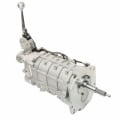
- Transmission Modifications: Installing a high-performance transmission can provide quicker shifts and better power delivery.
How do I choose the right modifications for my vehicle?
Selecting the right modifications depends on your vehicle type, budget, and racing goals. It's advisable to consult with professionals who specialize in drag racing services to tailor modifications that suit your specific needs.Are there any legal considerations for drag racing modifications?
Yes, it's crucial to ensure that any modifications comply with local laws and regulations. Some modifications may be illegal for street use but acceptable for track racing.Always check with your local racing authority.
Can I perform these modifications myself?
While some modifications can be done at home with the right tools and knowledge, others require professional installation to ensure safety and optimal performance. If you're unsure, it's best to seek help from experienced technicians in drag racing services.Understanding these common questions can help you make informed decisions about your vehicle's modifications for drag racing, ultimately enhancing your performance on the track.Conclusion: Key Takeaways on Vehicle Modifications for Drag Racing
In summary, the world of drag racing services is heavily influenced by the modifications made to vehicles. Each enhancement plays a crucial role in optimizing performance and achieving faster times on the track.Key Modifications Recap
- Engine Upgrades: Enhancing the engine's power output through turbocharging, supercharging, or simply increasing displacement is fundamental. A powerful engine translates directly to improved acceleration.
- Weight Reduction: Reducing the vehicle's weight through the use of lightweight materials or removing unnecessary components can significantly enhance speed and handling.
- Tire Selection: Choosing the right tires for traction is essential.
Drag racing tires are designed to provide maximum grip, allowing for better launches and improved overall performance.
- Suspension Tuning: A well-tuned suspension system helps maintain stability during high-speed runs. Adjustments can include stiffer springs and dampers to manage weight transfer effectively.
- Aerodynamic Enhancements: Modifications such as spoilers and body kits can reduce drag and improve downforce, contributing to better high-speed stability.
Embrace these enhancements, and you'll be well on your way to achieving your best times yet.