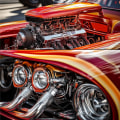
Drag racing is an exhilarating motorsport that pits vehicles against each other in a straight-line race over a short distance, typically a quarter-mile. This high-speed competition has gained immense popularity, attracting both seasoned racers and enthusiastic newcomers. The thrill of acceleration, the roar of engines, and the adrenaline rush of competition make drag racing a captivating experience for participants and spectators alike. However, before you hit the track, understanding the basics of drag racing is crucial. It’s not just about speed; it’s about precision, strategy, and preparation.
Each vehicle must be meticulously prepared to ensure optimal performance and safety. This preparation involves everything from tuning the engine to enhancing traction and ensuring that safety equipment is in place. Without proper preparation, even the fastest car can fall short on race day. Many racers turn to drag racing services to help them get their vehicles ready for competition. These services can range from professional tuning and modifications to comprehensive safety checks.
Engaging with experts in drag racing can provide invaluable insights and enhancements that elevate your vehicle's performance. As you delve deeper into this article, you will discover essential steps to prepare your vehicle effectively, ensuring you are ready to take on the challenge of the drag strip.
Choosing the Right Vehicle for Drag Racing
When it comes to drag racing, selecting the right vehicle is crucial for both performance and enjoyment. The type of car you choose can significantly impact your success on the track. Here are some popular categories of vehicles that are well-suited for drag racing.- Muscle Cars: These iconic vehicles, known for their powerful engines and rear-wheel drive, are a staple in the drag racing community.
Models like the Ford Mustang, Chevrolet Camaro, and Dodge Challenger offer a perfect blend of speed and style. Their robust V8 engines provide the necessary horsepower to compete effectively.
- Sports Cars: If you prefer a more agile option, sports cars such as the Nissan 370Z or Chevrolet Corvette can be excellent choices. These vehicles often come with advanced aerodynamics and lightweight designs, allowing for quicker acceleration and better handling on the strip.
- Modified Vehicles: Many drag racers opt to modify their existing cars to enhance performance. This can include upgrading the engine, suspension, and tires.
Vehicles like Honda Civics or Subaru WRXs can be transformed into formidable contenders with the right modifications.
Essential Modifications for Drag Racing Vehicles
Preparing your vehicle for drag racing involves a series of essential modifications that can significantly enhance performance and ensure safety on the track.Here are some key areas to focus on:
- Engine Tuning: One of the most critical aspects of drag racing is optimizing your engine's performance. This includes adjusting the air-fuel mixture, ignition timing, and installing a high-performance ECU (Engine Control Unit). Consider upgrading to a performance exhaust system to improve airflow and increase horsepower.
- Suspension Upgrades: A well-tuned suspension is vital for maintaining traction during a race. Upgrading to adjustable coilovers allows you to fine-tune your ride height and stiffness, which can help with weight transfer during acceleration.
Additionally, consider installing drag racing shocks designed to handle the unique demands of the track.
- Weight Reduction: Reducing your vehicle's weight can lead to faster acceleration times. Start by removing unnecessary components such as rear seats, spare tires, and any non-essential interior parts. You might also consider replacing heavy stock parts with lightweight alternatives, such as carbon fiber hoods or aluminum wheels.
- Tires: The right tires can make a significant difference in your drag racing performance. Invest in drag radials or slicks that provide better grip on the track.
Ensure that your tire pressure is optimized for maximum traction during your runs.
Safety Preparations Before Hitting the Track
Before you hit the drag racing track, ensuring your safety and compliance with regulations is paramount.Drag racing safety gear
is not just an accessory; it’s a necessity. The right gear can significantly reduce the risk of injury in the event of an accident. Essential safety gear includes:- Helmet: A full-face helmet that meets Snell or SFI standards is crucial for head protection.
- Fire Suit: A flame-resistant suit is essential to protect your body from potential fire hazards.
- Gloves: Fire-resistant gloves provide grip and protect your hands from heat.
- Shoes: Non-flammable shoes with good grip are important for maintaining control during racing.
Before each race, inspect the following components:
- Tires: Ensure they are properly inflated and have adequate tread for traction.
- Brakes: Check brake pads and fluid levels to ensure optimal stopping power.
- Fluid Levels: Inspect oil, coolant, and transmission fluid to prevent overheating or mechanical failure.
- Minimum safety equipment standards
- Vehicle modifications for safety compliance
- Driver licensing and experience requirements
Tires and Traction: The Key to Successful Drag Racing
When it comes to drag racing, the importance of tires and traction cannot be overstated. The right tires can significantly enhance your vehicle's performance, allowing for quicker launches and better overall times on the track.Understanding how to select and maintain your tires is crucial for any serious racer.
Tire Selection for Drag Racing
Choosing the right tires is the first step in preparing your vehicle for drag racing. There are two main types of tires to consider:- Slicks: These tires have a smooth surface and are designed specifically for drag racing. They provide maximum grip on the track, which is essential for achieving optimal acceleration.
- Drag Radials: These tires offer a balance between street and track performance. They have a tread pattern that allows for better handling on the street while still providing decent traction during races.
Consulting with professionals who offer drag racing services can also provide valuable insights into the best tire options for your specific setup.
Improving Traction in Drag Racing
Once you've selected the right tires, maintaining them is equally important. Here are some tips to improve traction:- Proper Inflation: Ensure your tires are inflated to the recommended pressure. Under-inflated tires can lead to poor traction and increased wear.
- Tire Temperature: Heat plays a significant role in tire performance. Warming up your tires before a run can enhance grip.
Consider using a burnout to heat them up effectively.
- Tread Depth: Regularly check the tread depth of your tires. Worn-out tires will not provide adequate traction, so replace them as needed.
Preparing Your Mindset and Strategy for Race Day
Preparing for drag racing is not just about tuning your vehicle; it also involves getting your mindset right. The mental aspect of racing can significantly influence your performance on the track.Here are some essential tips to help you develop a winning mindset and strategy for race day.
Developing a Winning Mindset
Before you even step into your vehicle, it’s crucial to cultivate a positive mindset. This involves visualizing success and maintaining confidence in your abilities. Here are some strategies:- Visualization: Spend time imagining yourself successfully completing the race. Picture every detail, from the start line to crossing the finish line.
- Focus on the Process: Concentrate on what you can control, such as your reaction time and driving technique, rather than worrying about the competition.
- Stay Calm: Practice relaxation techniques, such as deep breathing or meditation, to keep anxiety at bay.
Race Day Preparation Tips
Your preparation on race day can set the tone for your performance.Here are some tips to ensure you’re mentally ready:
- Arrive Early: Give yourself plenty of time to acclimate to the environment and avoid last-minute stress.
- Review Your Strategy: Go over your race plan, including launch techniques and gear shifts, to reinforce your approach.
- Stay Hydrated and Nourished: Proper nutrition and hydration can enhance focus and stamina during the race.
Strategies for Drag Racing Success
A successful drag racing strategy involves more than just speed; it requires careful planning and execution. Consider these strategies:- Know Your Competition: Familiarize yourself with other racers’ strengths and weaknesses to anticipate their moves.
- Practice Reaction Times: Use practice runs to hone your reaction times, which can be critical in drag racing.
- Adjust Based on Conditions: Be prepared to adapt your strategy based on track conditions, weather, and other variables.
Common Mistakes to Avoid When Preparing for Drag Racing
Preparing for drag racing can be an exhilarating experience, but it’s crucial to avoid common mistakes that can derail your performance on the track. Here are some frequent pitfalls to watch out for:- Neglecting Vehicle Maintenance: One of the biggest errors is failing to perform routine maintenance.
Ensure that your engine, transmission, and brakes are in optimal condition. A well-maintained vehicle is essential for achieving peak performance.
- Ignoring Tire Selection: Choosing the wrong tires can significantly impact your traction and speed. Make sure to select tires specifically designed for drag racing, as they provide better grip and stability.
- Overlooking Weight Distribution: Improper weight distribution can lead to poor handling and slower times. Balance your vehicle by adjusting the placement of components or using weight bars to enhance stability during a run.
- Skipping Safety Checks: Safety should always be a priority.
Failing to check safety equipment such as helmets, harnesses, and roll cages can lead to serious consequences. Always ensure that your safety gear meets the required standards.
- Underestimating Fuel Quality: The type of fuel you use can affect your engine's performance. Using low-quality fuel may lead to knocking or reduced power output. Invest in high-octane fuel suitable for your vehicle's specifications.
Avoiding these mistakes not only saves you time and money but also ensures a safer and more enjoyable racing experience.
Finding Reliable Drag Racing Services and Support
When it comes to drag racing services, finding reliable support is crucial for both novice and experienced racers. Whether you’re looking for tuning shops, performance specialists, or comprehensive race support, knowing where to start can make all the difference.1.Research Local Options
- Begin by searching online for drag racing services near me. This will help you identify local shops that specialize in drag racing modifications and tuning.
- Check out local racing forums and social media groups. These platforms often have recommendations from fellow racers who have firsthand experience with specific services.
- Visit nearby racetracks and talk to other racers.
They can provide insights into which shops offer the best support and services.
2.Evaluate Professional Support
- Look for shops that have a solid reputation in the drag racing community. Reviews and testimonials can give you a good idea of their reliability and expertise.
- Consider the qualifications of the staff. Professionals with experience in drag racing are more likely to understand the specific needs of your vehicle.
- Ask about their services. A good drag racing service should offer a range of options, from basic tuning to complete performance upgrades.
3.Attend Local Events
- Participating in or attending local drag racing events can connect you with service providers who are actively involved in the community.
- Many shops set up booths at these events, allowing you to meet them in person and discuss your needs directly.
By taking these steps, you can ensure that your vehicle receives the best possible support for optimal performance on the track.
Conclusion: Ready to Race!
As you prepare to hit the drag strip, it's essential to remember that thorough preparation is the key to a successful racing experience. From ensuring your vehicle is in optimal condition to understanding the rules and regulations of the event, every detail matters.Throughout this article, we have covered several critical aspects of preparing your vehicle for drag racing:- Vehicle Inspection: Regularly check your car's engine, brakes, tires, and suspension to ensure everything is functioning correctly.
- Weight Reduction: Consider removing unnecessary items from your vehicle to enhance performance and speed.
- Tuning: Properly tune your engine for maximum power output and efficiency on race day.
- Tire Selection: Choose the right tires that provide optimal grip for drag racing conditions.
- Safety Gear: Equip yourself with the necessary safety gear, including helmets and fire suits, to protect yourself during races.
So gear up, stay focused, and get ready to race!.