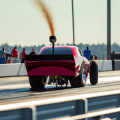
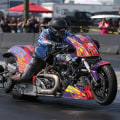
Drag racing is a thrilling motorsport that captivates enthusiasts and casual fans alike. It involves two vehicles racing down a straight track, often over a quarter-mile distance, with the goal of achieving the fastest time. This high-speed competition has gained immense popularity, thanks in part to its accessibility and the adrenaline rush it provides. However, as exhilarating as drag racing can be, it is not without its risks. The inherent dangers of drag racing stem from the extreme speeds involved and the mechanical complexities of the vehicles.
Drivers face numerous challenges, including loss of control, mechanical failures, and the unpredictable nature of racing conditions. These factors contribute to a heightened risk of accidents, making it essential for participants to understand the importance of safety measures. Engaging in drag racing services that prioritize safety can significantly mitigate these risks. As we delve deeper into the world of drag racing, it becomes crucial to recognize not only the excitement it brings but also the responsibility that comes with it. Understanding the risks associated with this sport is the first step toward ensuring a safer racing environment.
In the following sections, we will explore various safety precautions that can help protect drivers and spectators alike, allowing everyone to enjoy the thrill of drag racing while minimizing potential hazards.
The Importance of Safety Gear in Drag Racing
When it comes to drag racing services, the significance of wearing appropriate drag racing safety gear cannot be overstated. Each piece of equipment plays a crucial role in protecting racers from potential hazards on the track.- Helmets: A high-quality helmet is the first line of defense against head injuries. It should meet the safety standards set by organizations such as the Snell Memorial Foundation. Look for helmets that provide full-face coverage and are equipped with a fire-resistant lining.
- Racing Suits: Fire-resistant racing suits are essential for drag racers.
Made from materials like Nomex or Kevlar, these suits can withstand high temperatures and protect the skin from burns in case of an accident. Ensure that the suit fits well and covers the entire body, including arms and legs.
- Gloves: Protective gloves are vital for maintaining grip on the steering wheel while also providing heat resistance. Look for gloves that are made from fire-retardant materials and offer a snug fit to enhance control during high-speed runs.
- Shoes: Specialized racing shoes are designed to provide both comfort and protection. They should have a non-slip sole for better traction and be made from fire-resistant materials to protect your feet in case of an emergency.
Furthermore, using a fire suppression system in the vehicle adds an extra layer of safety, ensuring that any flames can be quickly extinguished.Ultimately, investing in high-quality protective equipment for drag racing is not just about compliance with regulations; it’s about ensuring your safety and well-being on the track. Always prioritize your safety gear before hitting the drag strip, as it can make all the difference in preventing serious injuries.
Vehicle Safety Modifications for Drag Racing
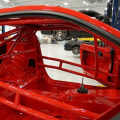
When it comes to drag racing services, ensuring the safety of your vehicle is paramount. Proper modifications can significantly reduce the risk of injury and enhance performance on the track. Here are some essential vehicle safety modifications to consider:- Roll Cages: A robust roll cage is one of the most critical safety features for any drag racing car.
It provides structural integrity and protects the driver in the event of a rollover or collision. The roll cage should be constructed from high-strength materials and designed to meet the specific regulations of the racing organization.
- Harnesses: Standard seat belts are not sufficient for drag racing. A multi-point harness, typically a 5-point or 6-point system, secures the driver firmly in place, preventing movement during high-speed runs. Ensure that the harness is properly installed and regularly inspected for wear and tear.
- Fire Suppression Systems: In the event of an engine failure or crash, fire can become a significant hazard.
Installing a fire suppression system can quickly extinguish flames and protect both the driver and the vehicle. These systems can be activated manually or automatically, providing an extra layer of safety.
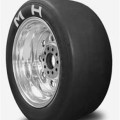
- Tires and Wheels: The right tires are crucial for maintaining grip on the track. Drag racing tires are specifically designed to provide maximum traction during acceleration. Additionally, ensure that your wheels are lightweight yet strong enough to withstand the forces experienced during a race.
- Brake System Upgrades: High-performance brakes are essential for safely slowing down after a run.
Upgrading to larger rotors, high-friction pads, and performance calipers can improve stopping power significantly.
Track Safety Protocols and Regulations
Ensuring safety at drag racing events is paramount, and tracks implement a variety of protocols and regulations to create a secure environment for both racers and spectators. These measures are designed to minimize risks and enhance the overall experience of drag racing.Track Safety Protocols
- Pre-Race Inspections: All vehicles must undergo thorough inspections before they are allowed to race. This includes checking safety equipment such as helmets, harnesses, and roll cages.
- Safety Gear Requirements: Racers are required to wear appropriate safety gear, including fire-resistant suits, gloves, and helmets that meet specific safety standards.
- Emergency Response Plans: Tracks must have a detailed emergency response plan in place, including trained medical personnel on-site and quick access to emergency vehicles.
- Track Layout and Barriers: The design of the track includes safety barriers, such as guardrails and sand traps, to protect both drivers and spectators from potential accidents.
Regulations for Drag Racing Events
- Licensing: Drivers must possess a valid racing license that demonstrates their competency and understanding of drag racing rules.
- Class Specifications: Each class of drag racing has specific regulations regarding vehicle modifications, ensuring fair competition while maintaining safety standards.
- Event Scheduling: Races are scheduled with adequate time between runs to allow for track maintenance and ensure that all safety protocols are followed.
The Role of Track Officials
Track officials play a crucial role in enforcing these safety protocols.
They are responsible for monitoring the races, ensuring compliance with regulations, and addressing any safety concerns that may arise during events. Their presence helps maintain order and provides reassurance to both participants and spectators that safety is the top priority.By adhering to these safe drag racing practices, tracks can significantly reduce the likelihood of accidents, making drag racing a thrilling yet secure sport for everyone involved.
Pre-Race Safety Checks: What to Inspect
Before hitting the drag strip, conducting thorough pre-race safety checks is essential to ensure both driver and vehicle safety. A comprehensive drag racing inspection checklist can help identify potential issues that could lead to accidents or mechanical failures during a race. Here’s a detailed list of items to inspect:- Tires: Check for proper inflation, tread depth, and any signs of wear or damage.
Ensure that the tires are suitable for drag racing conditions.
- Brakes: Inspect brake pads, rotors, and fluid levels. Ensure that the braking system is responsive and free of leaks.
- Fluid Levels: Verify that engine oil, coolant, transmission fluid, and brake fluid are at appropriate levels. Top off any fluids as necessary.
- Battery: Ensure the battery is securely mounted and that terminals are clean and free of corrosion. A weak battery can lead to starting issues.
- Safety Equipment: Confirm that all required safety gear is in place, including a helmet, fire suit, gloves, and harnesses.
Check for expiration dates on safety equipment.
- Suspension: Inspect shocks and struts for any signs of wear or damage. A well-functioning suspension is crucial for maintaining control during a race.
- Fuel System: Check for leaks in fuel lines and ensure that the fuel tank is secure. Make sure you have the appropriate fuel type for your vehicle.
Common Safety Mistakes to Avoid in Drag Racing
When it comes to drag racing services, safety should always be the top priority.Unfortunately, many racers overlook critical safety measures, leading to potentially dangerous situations. Here are some common safety mistakes to avoid:
- Neglecting Personal Protective Equipment (PPE): One of the most significant errors is not wearing appropriate PPE. This includes helmets, fire suits, gloves, and shoes designed for racing. Always ensure that your gear meets the required safety standards.
- Ignoring Vehicle Maintenance: A well-maintained vehicle is crucial for safe drag racing.
Regularly check your brakes, tires, and engine components. Failing to do so can lead to mechanical failures during a race.
- Overlooking Track Conditions: The condition of the track can greatly affect safety. Always assess the track for any debris, oil spills, or weather-related issues before racing. If conditions seem unsafe, it’s better to wait for a better time.
- Underestimating the Importance of a Safety Briefing: Many racers skip the pre-race safety briefing, which can provide essential information about track rules and emergency procedures.
Always attend these briefings to stay informed.
- Racing Without a Spotter: Having a spotter can significantly enhance safety by providing real-time feedback on your performance and surroundings. Never race alone; always have someone watching your back.
FAQs About Drag Racing Safety Precautions
When it comes to drag racing services, safety is paramount. Here are some frequently asked questions regarding safety precautions that every racer should consider:What are the essential safety gear requirements for drag racing?
All participants in drag racing should wear appropriate safety gear, which typically includes:- Helmet: A full-face helmet that meets Snell or SFI standards.
- Fire Suit: A flame-resistant suit that covers the entire body.
- Gloves: Fire-resistant gloves to protect your hands.
- Shoes: Closed-toe shoes made from fire-resistant materials.
Are there specific vehicle safety checks I should perform?
Yes, before hitting the track, ensure your vehicle undergoes a thorough inspection.Key areas to check include:
- Brakes: Ensure they are functioning properly and can handle high speeds.
- Tires: Check for adequate tread and proper inflation.
- Seat Belts: Use a 5-point harness for maximum security.
What safety tips should new drag racers keep in mind?
If you're new to drag racing, consider these important safety tips:- Always follow the rules and guidelines set by the racing organization.
- Participate in a driver’s meeting to understand track protocols.
- Never race under the influence of alcohol or drugs.
- Maintain a safe distance from other vehicles during races.
Conclusion: Prioritizing Safety in Drag Racing
In conclusion, the world of drag racing services is thrilling and exhilarating, but it is imperative to prioritize safety at every turn. Throughout this article, we have explored various aspects of safety that are crucial for both participants and spectators alike. First and foremost, understanding the importance of proper safety gear cannot be overstated. From helmets to fire suits, each piece of equipment plays a vital role in protecting drivers from potential hazards. Additionally, ensuring that vehicles are equipped with the latest safety features, such as roll cages and harnesses, is essential for minimizing risks on the track. Moreover, adhering to established track regulations and guidelines is critical.These rules are designed not only to enhance performance but also to safeguard everyone involved. Regular inspections and maintenance of both vehicles and track conditions contribute significantly to a safer racing environment. Furthermore, the role of trained personnel cannot be overlooked. Having experienced officials and emergency responders on-site ensures that any incidents can be managed swiftly and effectively. Their presence provides peace of mind for racers and fans alike. Lastly, fostering a culture of safety within the drag racing community encourages everyone to remain vigilant and proactive.
By sharing knowledge and experiences related to safety practices, racers can collectively enhance their understanding and implementation of safety measures. In summary, while the adrenaline rush of drag racing is undeniable, it should never come at the expense of safety. By prioritizing these precautions, we can enjoy this thrilling sport while minimizing risks for all involved.