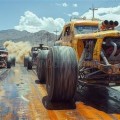
Drag racing is a thrilling motorsport that captivates enthusiasts and casual fans alike. It involves two vehicles racing down a straight track, typically a quarter-mile long, in a test of speed, skill, and precision. The excitement of watching powerful engines roar to life and the adrenaline rush of the race make drag racing a popular spectacle at both professional events and local tracks. With its roots tracing back to the early days of automotive culture, drag racing has evolved into a highly organized sport with various classes and categories, catering to different types of vehicles and drivers.The significance of drag racing services extends beyond mere entertainment; it encompasses a community of racers, fans, and professionals dedicated to the sport.
From tuning engines for optimal performance to providing safety equipment and track facilities, these services play a crucial role in ensuring that races are conducted safely and fairly. As the sport continues to grow, so does the demand for specialized services that enhance the racing experience for both participants and spectators.Understanding what drag racing entails is essential for anyone interested in this high-octane world. It’s not just about speed; it’s about strategy, preparation, and the thrill of competition. As we delve deeper into the specifics of drag racing, including the typical lengths of races and their implications on performance and strategy, we will uncover what makes this sport so exhilarating and why it holds a special place in the hearts of many automotive enthusiasts.
Typical Length of a Drag Race
When it comes to drag racing services, understanding the typical lengths of a drag race is crucial for both participants and spectators.The most common formats in drag racing are the 1/4 mile and 1/8 mile distances, each serving distinct purposes in the racing community.
1/4 Mile Drag Races
The 1/4 mile drag race is the standard distance used in many professional competitions, including events sanctioned by organizations like the NHRA (National Hot Rod Association). This length has become synonymous with drag racing, as it provides a comprehensive test of a vehicle's acceleration, speed, and overall performance. The 1/4 mile format allows drivers to reach their maximum speed before crossing the finish line, making it an exhilarating experience for both racers and fans.1/8 Mile Drag Races
On the other hand, 1/8 mile drag races are increasingly popular, especially in local and amateur events. This shorter distance is often seen as more accessible for novice racers and can lead to quicker races with less time spent on the track.The 1/8 mile format emphasizes rapid acceleration and reaction times, making it an exciting option for those looking to hone their skills without the commitment of a longer race.
Why These Distances?
The choice of drag race distance is not arbitrary; it reflects a balance between speed, safety, and spectator engagement. The 1/4 mile allows for a more extended display of power and speed, while the 1/8 mile caters to those who prefer shorter, more intense races. Additionally, these distances have been established through years of tradition and competition, making them recognizable benchmarks in the world of motorsports.In conclusion, whether you are participating in or watching drag racing events, knowing the typical lengths of drag races enhances your appreciation for this thrilling sport. Both the 1/4 mile and 1/8 mile formats offer unique experiences that cater to different aspects of racing culture.Factors Influencing Drag Race Length
When considering the length of a drag race, several key factors come into play that can significantly influence the overall distance and duration of the event.Understanding these factors is essential for both participants and spectators alike.
Vehicle Type
The type of vehicle participating in a drag race is one of the most critical factors affecting its length. Different classes of vehicles, such as top fuel dragsters, pro stock cars, and street legal vehicles, have varying capabilities and performance metrics. For instance, top fuel dragsters typically race on a standard 1,000-foot track, while other classes may utilize a quarter-mile distance. The power-to-weight ratio, tire grip, and aerodynamics of the vehicle all contribute to how quickly it can complete the race.Track Conditions
The condition of the drag racing track plays a vital role in determining race length and performance.Factors such as:
- Surface Material: The type of surface (asphalt vs. concrete) can affect traction.
- Temperature: Warmer track conditions can enhance grip, allowing for faster times.
- Moisture Levels: Wet or damp conditions can lead to slippage, potentially extending race times.
Weather Conditions
The weather also significantly impacts drag racing. Factors such as:- Wind Speed: Strong winds can affect vehicle stability and speed.
- Humidity: High humidity can reduce engine performance, leading to longer race times.
- Temperature: Cooler temperatures can enhance engine performance but may also affect tire grip.
Different Types of Drag Racing Events
Drag racing is a thrilling motorsport that encompasses various formats, each with its own unique characteristics and strategies.Understanding the different types of drag racing events can help enthusiasts choose the right competition and prepare accordingly.
Bracket Racing
Bracket racing is one of the most popular formats in drag racing, especially for amateur racers. In this format, competitors are paired based on their predicted performance times, known as dial-ins. Each racer selects a time they believe they can achieve, and the goal is to run as close to that time as possible without going faster. This format emphasizes consistency and strategy over sheer speed, making it accessible for drivers of all skill levels.Heads-Up Racing
In contrast, heads-up racing pits two competitors against each other with no restrictions on performance.Both racers start at the same time, and the first to cross the finish line wins. This format is often seen in professional drag racing events and showcases the raw power and speed of the vehicles involved. Because there are no dial-ins, drivers must rely on their reaction times and vehicle capabilities to secure victory.
Other Formats
- Index Racing: Similar to bracket racing but with a set index time that competitors must adhere to.
- Pro Racing: High-stakes events featuring professional drivers and teams, often with significant sponsorships.
- Street Racing: Informal races that take place on public roads, often lacking official timing systems.
Understanding these formats not only enhances the spectator experience but also helps racers strategize effectively for their chosen events.
The Role of Drag Racing Services in Event Management
When it comes to organizing a successful drag racing event, drag racing services play a pivotal role in ensuring everything runs smoothly. These services encompass a wide range of responsibilities, from logistics to compliance with safety regulations, all of which are crucial for the success of any drag racing event.Logistics Management
- Venue Selection: Choosing the right venue is essential. Drag racing services help identify suitable tracks that meet safety standards and can accommodate the expected number of participants and spectators.
- Equipment Rental: Organizing a drag race often requires specialized equipment, such as timing systems and safety barriers. Drag racing services can facilitate the rental and setup of this equipment.
- Scheduling: Proper scheduling is vital to ensure that all races occur in an orderly fashion.
Drag racing services assist in creating a timeline that maximizes track usage while allowing for necessary breaks and maintenance.
- Regulatory Compliance: Each state has specific regulations governing drag racing events. Drag racing services are well-versed in these laws and ensure that all aspects of the event comply with local regulations.
- Safety Protocols: The safety of participants and spectators is paramount. Drag racing services implement safety measures, including pre-race inspections and emergency response plans, to mitigate risks associated with high-speed racing.
Whether you are a seasoned racer or a first-time organizer, leveraging professional drag racing services can make all the difference in executing a memorable event.
Frequently Asked Questions About Drag Race Lengths
When it comes to drag racing services, one of the most common questions is about the length of a drag race. Understanding this can help both participants and spectators appreciate the sport more fully.How Long is a Typical Drag Race?
The standard length for a drag race is typically 1,320 feet, which is equivalent to a quarter-mile. This distance has become the benchmark for most professional drag racing events, including those sanctioned by organizations like the NHRA (National Hot Rod Association).Are There Different Lengths for Drag Races?
Yes, there are variations in drag race lengths:- 1/8 Mile: Some events feature an 1/8 mile format, which measures 660 feet. This shorter distance is popular for local races and can provide a different kind of excitement.
- 1/4 Mile: As mentioned, the 1/4 mile (1,320 feet) is the most common length for professional races.
- Longer Formats: Rarely, some events may feature longer formats, such as 1,500 feet or even 2,000 feet, but these are not standard and are usually specific to certain exhibitions or special events.
Why Does Length Matter?
The length of a drag race significantly impacts the strategies employed by drivers and teams.A longer race may require different tuning of the vehicle for optimal performance over extended distances. Additionally, understanding the length helps fans gauge the speed and acceleration of the cars involved.In summary, whether you're a participant or a fan, knowing the typical lengths of drag races enhances your experience and appreciation of this thrilling motorsport. For those interested in participating or attending events, familiarizing yourself with these lengths can also help you choose the right drag racing services.
Conclusion: Key Takeaways on Drag Race Lengths and Services
In summary, understanding the typical lengths of drag races is crucial for both participants and spectators. Most drag races are standardized at 1/4 mile (approximately 1,320 feet), but variations such as 1/8 mile and 1,000 feet also exist, catering to different racing formats and preferences.The choice of race length can significantly impact the strategy and performance of the vehicles involved.For instance, shorter races like the 1/8 mile format often emphasize quick acceleration and immediate power delivery, while the traditional 1/4 mile race allows for a more extended performance evaluation, showcasing top speed and sustained power.Moreover, the role of drag racing services cannot be overstated. These services encompass a wide range of offerings, from track preparation to timing systems and safety measures. They ensure that events run smoothly and safely, providing an optimal environment for both racers and fans.
- Track Preparation: Properly prepared tracks enhance grip and reduce the risk of accidents.
- Tuning Services: Professional tuning can maximize vehicle performance tailored to specific race lengths.
- Spectator Experience: Well-organized events improve the overall enjoyment for fans, making drag racing more accessible.