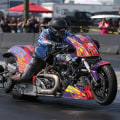
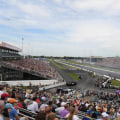
Drag racing is a thrilling motorsport that captivates enthusiasts with its high-speed competition and adrenaline-pumping excitement. At its core, drag racing involves two vehicles racing down a straight track, typically a quarter-mile long, to see which can reach the finish line first. This sport is not just about speed; it’s a complex blend of engineering, strategy, and skill. Understanding the unique terminology associated with drag racing is essential for both participants and fans alike, as it enhances the overall experience and appreciation of the sport. One of the most critical components of drag racing is the Christmas tree, a signaling device that plays a pivotal role in the start of each race.
The Christmas tree consists of a series of lights that indicate when drivers should prepare to launch their vehicles. This device not only adds to the excitement but also introduces a level of precision that is vital in competitive racing. Familiarity with the Christmas tree and other racing terminology can significantly impact a driver’s performance and strategy, making it an essential topic for anyone interested in drag racing services.As we delve deeper into the world of drag racing, we will explore various aspects of this exhilarating sport, including its history, key terms, and the significance of the Christmas tree in ensuring fair and exciting races. Whether you are a seasoned racer or a newcomer eager to learn more about this electrifying sport, understanding these foundational elements will enhance your appreciation for drag racing and its vibrant community.
What is a Christmas Tree in Drag Racing?
In the world of drag racing, the term Christmas tree refers to a crucial starting system that plays a significant role in determining the outcome of a race.This device is named for its resemblance to a decorated Christmas tree, with lights that illuminate in a specific sequence to signal the start of the race.The Christmas tree drag racing system consists of a series of lights arranged vertically, typically featuring two sets of lights: one for each lane. The primary function of this system is to provide a fair and standardized method for starting races, ensuring that both competitors launch their vehicles simultaneously.
How the Christmas Tree Works
The operation of the Christmas tree begins with the activation of the pre-stage lights, which indicate that a driver is ready to approach the starting line. Once both drivers are in position, the next step involves the stage lights illuminating, signaling that they are fully staged and prepared for the race.After both drivers have staged, the countdown begins. The Christmas tree lights will sequentially turn from yellow to green:- Yellow Lights: The tree will flash three yellow lights in quick succession, indicating that drivers should prepare to launch their vehicles.
- Green Light: Following the yellow lights, a green light will illuminate, signaling the start of the race.
This is when drivers accelerate down the track.
- Red Light: If a driver reacts too quickly and leaves before the green light appears, a red light will activate, disqualifying them from that run.
The Components of a Christmas Tree
In the world of drag racing, the Christmas tree serves as a crucial component for starting races. Understanding its components is essential for both participants and spectators alike.The Christmas tree consists of several lights and signals that communicate important information to the drivers.
- Top Bulbs: The top section of the Christmas tree features a series of lights that indicate the status of the race. These typically include:
- Green Light: This light signals that it is time for the drivers to launch their vehicles. A green light means "go!"
- Yellow Lights: There are usually two yellow lights that illuminate before the green light. These serve as a countdown, warning drivers that the race is about to start.
- Red Light: If a driver reacts too quickly and leaves the starting line before the green light, the red light will activate, indicating a false start.
A well-timed reaction to the lights can make all the difference in a race.
- Pre-Stage and Stage Lights: Below the top bulbs, there are additional lights known as pre-stage and stage lights:
- Pre-Stage Lights: These lights illuminate when a car approaches the starting line, indicating that it is ready to stage.
- Stage Lights: When both cars are in position, these lights turn on, signaling that they are ready for the race.
How the Christmas Tree Works: The Start Sequence
The Christmas tree is a crucial component in the world of drag racing, serving as the starting signal for racers. Understanding how the Christmas tree works is essential for both participants and spectators alike, as it sets the stage for the thrilling competition that follows.At the heart of the Christmas tree is a series of lights that indicate when drivers should prepare to launch their vehicles. The start sequence typically unfolds as follows:- Pre-Stage Lights: When a driver approaches the starting line, they first activate the pre-stage lights.
This is indicated by two small yellow lights on the Christmas tree. When these lights illuminate, it signals that the car is in position and ready to begin.
- Stage Lights: Once the driver moves forward slightly, they trigger the stage lights, which are two additional yellow lights. This indicates that the vehicle is fully staged and ready for the race.
- Countdown Sequence: After both cars are staged, the Christmas tree initiates a countdown sequence. This begins with three yellow lights illuminating one after another, each light turning on at a consistent interval.
This sequence builds anticipation and prepares drivers for the start.
- Green Light: Following the three yellow lights, a green light will illuminate, signaling that it’s time to go. Drivers must react quickly to this signal, as any delay can result in a poor start or even a false start, which can lead to disqualification.
The Role of Timing in Drag Racing: Understanding Reaction Times
In the world of drag racing, timing is everything. The Christmas tree plays a pivotal role in this aspect, serving as the starting signal for racers.Understanding how reaction times are measured and the importance of timing can significantly impact a driver's performance on the track.
What is Reaction Time?
Reaction time in drag racing refers to the duration it takes for a driver to respond to the starting signal from the Christmas tree. This is measured from the moment the green light illuminates until the car begins to move. A quicker reaction time can provide a competitive edge, as even a fraction of a second can determine the outcome of a race.The Christmas Tree Explained
The Christmas tree consists of a series of lights that indicate when drivers should start their engines and when they should launch their vehicles. The sequence typically includes:- Red lights: Indicate a false start.
- Yellow lights: Serve as a countdown, with one light illuminating at intervals.
- Green light: Signals that it's time to go.
The goal is to achieve a reaction time as close to zero as possible without jumping the start, which would result in disqualification.
The Importance of Timing in Races
The significance of timing extends beyond just the initial launch. Throughout the race, maintaining optimal speed and acceleration is essential. Timing systems track not only reaction times but also elapsed times, which measure how long it takes for a car to complete the race distance. This data is invaluable for teams looking to improve their performance through adjustments in strategy and vehicle tuning.In conclusion, mastering reaction times and understanding the mechanics of the Christmas tree are vital components of successful drag racing services.Drivers who focus on these elements can enhance their chances of winning races and achieving personal bests on the track.
Different Types of Christmas Trees Used in Drag Racing Events
In the world of drag racing, the term "Christmas tree" refers to the starting light system that signals when racers can launch their vehicles. Different organizations utilize various types of Christmas trees, each with unique features and purposes. Understanding these differences is crucial for both competitors and fans alike.NHRA vs. IHRA Trees
The two primary governing bodies in drag racing, the National Hot Rod Association (NHRA) and the International Hot Rod Association (IHRA), employ distinct Christmas tree designs.The NHRA tree is known for its standard configuration, which includes a series of amber lights followed by a green light. This setup typically features three amber lights that illuminate sequentially, allowing drivers to gauge their reaction times before the green light signals the start of the race.In contrast, the IHRA tree often incorporates a pro tree format, which activates all three amber lights simultaneously before switching to green. This method is designed to create a more level playing field by minimizing the time difference between drivers' reactions.
Differences in Drag Racing Trees
Beyond the NHRA and IHRA distinctions, there are also variations in Christmas trees used at different events. For instance:- Sportsman Trees: These trees are often used in amateur competitions and may feature a simpler design with fewer lights.
- Super Pro Trees: Designed for more advanced racers, these trees may include additional features such as delay boxes that allow drivers to set their reaction times.
- Bracket Racing Trees: In bracket racing, the Christmas tree may be adjusted to accommodate different classes of vehicles, ensuring fair competition.
Racers must familiarize themselves with the specific type of tree used in their events to optimize their performance and reaction times.
Common Misconceptions About the Christmas Tree in Drag Racing
When it comes to drag racing, the Christmas tree is often surrounded by a cloud of misconceptions. Understanding its true function is crucial for both spectators and participants alike. Here are some common myths and misunderstandings:- Myth 1: The Christmas tree is just a starting light. Many believe that the Christmas tree's sole purpose is to signal the start of the race. While it does serve this function, it also plays a critical role in timing and ensuring fair competition.
The lights indicate not only when to go but also help in measuring reaction times, which are vital for a successful run.
- Myth 2: All drag racing trees are the same. There are different types of Christmas trees used in various classes of drag racing. For instance, a pro tree has a quicker sequence of lights compared to a sportsman tree. Understanding these differences can significantly impact a racer's strategy and performance.
- Myth 3: The lights are purely decorative. Some may think that the colorful lights on the Christmas tree are merely for show. In reality, each light serves a specific purpose, from indicating readiness to signaling when it's time to launch.
Ignoring these signals can lead to disqualification or poor performance.
- Myth 4: Reaction time is not important. A common mistake among newcomers is underestimating the importance of reaction time. The Christmas tree's lights are designed to test a racer's reflexes; a quick reaction can mean the difference between winning and losing.
The Impact of Technology on Christmas Trees and Drag Racing Services
In the world of drag racing, the evolution of technology has significantly transformed both the design of Christmas trees and the overall efficiency of drag racing services. The Christmas tree, a crucial component in drag racing, serves as the starting signal for racers.Traditionally, these devices utilized simple lights to indicate when drivers should launch their vehicles. However, advancements in technology have led to the development of more sophisticated systems that enhance both safety and performance.
Advancements in Christmas Trees
Modern Christmas trees are equipped with LED lights that provide clearer visibility and faster response times. These lights can be programmed for various racing formats, allowing for greater flexibility in events. Additionally, many contemporary Christmas trees incorporate timing systems that are synchronized with electronic sensors on the track, ensuring precise start times and reducing human error.Technology in Drag Racing Services
The impact of technology extends beyond just the Christmas tree.Drag racing services have also embraced innovations such as data analytics and telemetry systems. These technologies allow teams to gather real-time data on vehicle performance, track conditions, and driver behavior. By analyzing this data, teams can make informed decisions about tuning their vehicles and strategizing for races.
- Data Acquisition Systems: These systems collect vital information during runs, including engine RPM, tire slip, and acceleration rates.
- Remote Timing Systems: These allow for instant feedback on race results, improving the overall experience for both drivers and spectators.
- Simulation Software: Teams can use advanced software to simulate different racing scenarios, helping them prepare for various conditions on race day.
FAQs About the Christmas Tree in Drag Racing
The Christmas tree is a crucial component in the world of drag racing, serving as the starting signal for racers.Here are some frequently asked questions that can help you understand its function and significance:
What does the Christmas tree do in drag racing?
The Christmas tree consists of a series of lights that indicate when drivers should start their engines and when they should launch their vehicles. The sequence of lights is designed to ensure a fair start, allowing both racers to begin at the same time.How does the Christmas tree signal work?
- The tree typically has three yellow lights, followed by a green light and a red light.
- When the lights turn on, they do so in a specific sequence: first, the yellow lights illuminate one after another, signaling drivers to prepare for launch.
- After the last yellow light, the green light will turn on, indicating that it is time to go.
- If a driver leaves before the green light, they will trigger the red light, resulting in a disqualification for that run.
What are common issues with the Christmas tree?
Some common questions regarding issues with the Christmas tree include:- What happens if the lights malfunction? If there is a malfunction, race officials will typically pause the event to address the issue before proceeding.
- Can drivers see the Christmas tree from their cars? Yes, drivers have a clear view of the Christmas tree from their starting position, allowing them to react quickly to the signals.
Conclusion: The Significance of the Christmas Tree in Drag Racing Culture
In conclusion, the Christmas tree serves as a pivotal element in the world of drag racing, embodying both the technical and cultural aspects of this thrilling motorsport. Understanding its function and significance enhances not only the appreciation of the sport but also the strategic elements involved in racing. The Christmas tree is more than just a starting device; it represents the culmination of precision, timing, and competition.As racers prepare to launch their vehicles, they rely on the tree's lights to gauge their reaction times and execute their runs effectively. This makes it an essential tool for both amateur and professional racers alike.
- Timing: The Christmas tree's lights dictate the start of each race, making it crucial for achieving optimal reaction times.
- Strategy: Understanding how to read the tree can give racers a competitive edge, influencing their approach to each run.
- Cultural Significance: The Christmas tree has become a symbol of drag racing culture, representing the excitement and adrenaline that fans and participants experience.
Whether you are a seasoned racer or a newcomer to the scene, appreciating this iconic device is essential for anyone looking to immerse themselves in the exhilarating world of drag racing.