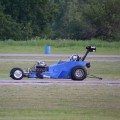
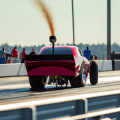
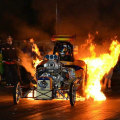
Drag racing is an exhilarating motorsport that pits two vehicles against each other in a straight-line race, typically over a distance of a quarter-mile. Originating in the United States during the late 1940s, this thrilling competition has evolved into a global phenomenon, attracting both amateur enthusiasts and professional racers alike. The essence of drag racing lies not only in speed but also in the precision of timing and the skill of the driver, making it a captivating spectacle for participants and spectators.At its core, drag racing is governed by a set of basic rules designed to ensure fair competition. Each race begins with a countdown light system, where drivers must react quickly to the green light to launch their vehicles down the track.
The winner is determined by who crosses the finish line first, but factors such as reaction time and vehicle performance play crucial roles in the outcome. This combination of speed, strategy, and adrenaline creates an electrifying atmosphere that keeps fans on the edge of their seats.The excitement of drag racing extends beyond just the races themselves; it encompasses a vibrant community of car enthusiasts who share a passion for speed and engineering. From custom-built dragsters to high-performance street cars, the variety of vehicles participating in these events showcases the ingenuity and creativity of their builders. As spectators cheer on their favorite drivers, they become part of an electrifying culture that celebrates not only competition but also camaraderie among fellow racing fans.
The History of Drag Racing
Drag racing has a rich and vibrant history that dates back to the 1930s, originating in the United States.Initially, it began as informal street races where car enthusiasts would compete on public roads, often in a bid to showcase their vehicles' speed and performance. These early races were characterized by their spontaneous nature and lack of formal rules, which contributed to the thrill and excitement of the competition.As the popularity of these races grew, so did the need for organization and safety. By the late 1940s, dedicated groups began to form, leading to the establishment of official drag racing events. The first recognized drag strip opened in 1950 in Santa Ana, California, marking a significant milestone in the evolution of drag racing.
This venue provided a controlled environment for racers and spectators alike, paving the way for more structured competitions.Throughout the 1950s and 1960s, drag racing gained immense popularity, fueled by advancements in automotive technology and the rise of iconic vehicles like the Ford Mustang and Chevrolet Camaro. The National Hot Rod Association (NHRA), founded in 1951, played a crucial role in promoting drag racing services and establishing standardized rules and regulations that helped legitimize the sport.By the 1970s, drag racing had evolved into a professional sport with significant sponsorship deals and media coverage. Events began attracting large crowds, turning local races into national spectacles. The introduction of classes based on vehicle specifications allowed for a wider range of participants, from amateur racers to professional teams.Today, drag racing is not just a sport but a cultural phenomenon that encompasses various styles and formats.
From grassroots events to high-stakes competitions like the NHRA Mello Yello Drag Racing Series, it continues to captivate audiences worldwide. Understanding this history of drag racing provides valuable context for its current status as a beloved motorsport within automotive culture.
How Drag Racing Works
Understanding how drag racing works is essential for both participants and fans. At its core, drag racing is a timed competition between two vehicles over a straight, quarter-mile track. The excitement begins at the starting line, where drivers prepare to launch their vehicles with precision and speed.Track Layout
- The standard drag racing track is typically 1,320 feet long, which is equivalent to a quarter-mile.
- Each track features two parallel lanes, allowing two competitors to race side by side.
- At the end of the track, a series of safety barriers and traps are in place to ensure the safety of both drivers and spectators.
Races are measured using electronic timing systems that record the exact time it takes for each vehicle to complete the race. Key components include:
- Starting Lights: These lights signal when drivers should prepare to launch. The sequence typically includes a series of yellow lights followed by a green light indicating go.
- Finish Line Sensors: These sensors detect when a vehicle crosses the finish line, triggering the timing system to record the elapsed time.
- Top Fuel: The fastest class, featuring vehicles that can exceed 330 mph.
- Funny Car: Similar to Top Fuel but with a different body style and design.
- Pro Stock: These cars resemble factory models but are heavily modified for performance.
Understanding these mechanics not only enhances the viewing experience but also provides insight into the drag racing services available for enthusiasts looking to participate or spectate.
Types of Drag Racing Services
When it comes to drag racing services, there are several key offerings that cater to both participants and enthusiasts. Understanding these services can enhance the overall experience of anyone involved in the sport.- Event Organization: Many organizations specialize in planning and executing drag racing events. These services include everything from securing permits and insurance to coordinating logistics such as timing systems, safety measures, and spectator accommodations. Professional event organizers ensure that races run smoothly and safely, providing a thrilling experience for both drivers and fans.
- Track Rental: For those looking to host their own events or practice sessions, track rental services are essential.
Drag strips offer rental options for private events, allowing racers to test their vehicles in a controlled environment. This service is particularly popular among amateur racers who want to hone their skills without the pressure of competition.
- Vehicle Preparation: Preparing a vehicle for drag racing involves more than just tuning the engine. Specialized services are available for vehicle modifications, including weight reduction, suspension adjustments, and aerodynamic enhancements. These preparations can significantly improve performance on the track, making them invaluable for serious competitors.
- Safety Equipment Rental: Safety is paramount in drag racing, and many services provide rental options for essential safety gear such as helmets, fire suits, and harnesses.
Ensuring that all participants have access to proper safety equipment is crucial for minimizing risks during events.
- Coaching and Training: For newcomers to the sport, coaching services can be incredibly beneficial. Experienced racers offer training sessions that cover everything from basic driving techniques to advanced strategies for improving reaction times and vehicle control.
Popular Drag Racing Events and Competitions
Drag racing is not just a thrilling motorsport; it also encompasses a variety of popular events and competitions that attract fans and participants from all over the world.Among these, the National Hot Rod Association (NHRA) events stand out as some of the most prestigious and widely recognized.
NHRA Championships
The NHRA hosts a series of championships throughout the year, culminating in the NHRA Finals, which is held annually at the Auto Club Raceway in Pomona, California. This event is the grand finale of the NHRA Mello Yello Drag Racing Series and features top-tier drivers competing for the championship title. The excitement of watching these skilled racers push their machines to the limit is unparalleled.Local Meets and Grassroots Events
In addition to major competitions, local drag racing meets play a crucial role in the sport's community. These events often take place at smaller tracks and provide an opportunity for amateur racers to showcase their skills.Local meets foster a sense of camaraderie among participants and spectators alike, making them an essential part of the drag racing culture.
Major Drag Racing Competitions
- World Series of Drag Racing: This event has been a staple in the drag racing calendar for decades, featuring a mix of professional and amateur racers.
- Street Outlaws: Popularized by the reality TV show, this competition showcases street racing culture and has gained a massive following.
- Import vs. Domestic: This event pits import cars against domestic muscle cars, highlighting the diversity within the drag racing community.
The Role of Technology in Drag Racing
In the world of drag racing, technology plays a pivotal role in enhancing vehicle performance and ensuring safety. From the engines that power these high-speed machines to the timing systems that measure their speed, advancements in technology have transformed drag racing into a highly competitive sport.Engine Technology
- Fuel Injection Systems: Modern drag racing vehicles utilize advanced fuel injection systems that optimize fuel delivery, improving efficiency and power output.
- Tuning Software: Sophisticated tuning software allows teams to adjust engine parameters in real-time, maximizing performance on the track.
- Lightweight Materials: The use of carbon fiber and other lightweight materials in chassis construction reduces overall weight, enhancing acceleration.
- Advanced Suspension Systems: Technologies such as adjustable coilovers and anti-roll bars help maintain traction and stability during high-speed runs.
These systems collect real-time data on various parameters such as tire temperature, engine RPM, and G-forces. Teams analyze this data to make informed decisions about vehicle setup and strategy, allowing for continuous improvement in performance.
Safety Enhancements
- Cockpit Technology: Modern drag racing vehicles are equipped with advanced safety features like fire suppression systems and reinforced roll cages to protect drivers during high-speed runs.
- Telemetry Systems: Telemetry allows teams to monitor vehicle performance remotely, providing insights that can prevent accidents and improve safety measures.
Safety Measures in Drag Racing
In the high-octane world of drag racing, safety is paramount. The thrill of racing down a straight track at incredible speeds comes with inherent risks, making it essential for participants to adhere to strict drag racing safety measures.These measures not only protect the drivers but also ensure the safety of spectators and crew members.
Safety Equipment for Drag Racers
- Helmets: A high-quality, certified helmet is non-negotiable. It protects the head during potential collisions or rollovers.
- Fire Suits: Made from flame-resistant materials, these suits shield racers from fire hazards. They are often equipped with additional layers for enhanced protection.
- Gloves: Fire-resistant gloves provide grip and protect hands from heat and abrasions.
- Seat Belts: Multi-point harnesses are crucial for keeping drivers securely in their seats during high-speed runs.
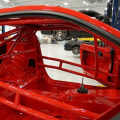
- Cages: Roll cages are installed in vehicles to provide structural integrity and protect drivers in case of a rollover.
Therefore, adhering to safety protocols is not just about compliance; it’s about preserving lives and promoting responsible participation in the sport.Moreover, many drag racing events require participants to undergo safety inspections before they can compete. These inspections ensure that all safety equipment is up to standard and functioning correctly. By prioritizing safety, the drag racing community fosters an environment where enthusiasts can enjoy the sport while minimizing risks.In conclusion, understanding and implementing drag racing safety measures is essential for anyone involved in this exhilarating sport. From proper gear to vehicle modifications, every aspect plays a critical role in ensuring a safe racing experience.
Getting Started with Drag Racing: Tips and Resources
Entering the thrilling world of drag racing can be an exhilarating experience, but it’s essential to approach it with the right knowledge and preparation.Here are some practical tips and resources to help you get started.
Understanding the Basics
Before you hit the track, familiarize yourself with the fundamental aspects of drag racing. This includes understanding the different classes of vehicles, the rules of the sport, and the various types of races. Many local racing associations offer beginner classes or workshops that can provide valuable insights.Choosing Your Vehicle
Your choice of vehicle is crucial in drag racing. Whether you opt for a street car or a purpose-built dragster, ensure it meets safety standards and regulations.Consider starting with a vehicle that you can modify gradually as you gain experience. Popular options for beginners include:
- Street Cars: These are often more affordable and easier to handle.
- Entry-Level Dragsters: Designed specifically for drag racing, these vehicles can provide a more competitive edge.
Safety First
Safety should always be your top priority. Invest in proper safety gear, including a helmet, fire suit, and gloves. Additionally, ensure your vehicle is equipped with necessary safety features such as a roll cage and harnesses.Finding Local Drag Racing Services
To immerse yourself in the drag racing community, seek out local drag racing services.These can include:
- Racing Schools: Many tracks offer courses that teach driving techniques and vehicle handling.
- Clubs and Associations: Joining a local club can provide networking opportunities and access to events.
- Online Forums: Engage with experienced racers online to gain insights and advice.
Practice Makes Perfect
The best way to improve your skills is through practice. Attend local events to observe experienced racers and participate in test-and-tune sessions. This will help you get comfortable with your vehicle and understand the dynamics of drag racing.By following these tips and utilizing available resources, you’ll be well on your way to becoming a confident drag racer. Remember, every expert was once a beginner, so embrace the learning process!Frequently Asked Questions about Drag Racing Services
When it comes to drag racing services, many enthusiasts and newcomers alike have questions.Here are some of the most frequently asked questions that can help clarify what drag racing is all about.
What is drag racing?
Drag racing is a type of motor racing where two vehicles compete against each other in a straight line over a short distance, typically a quarter-mile. The goal is to complete the distance in the shortest time possible. This sport emphasizes speed, acceleration, and vehicle performance.What services are offered in drag racing?
- Track rentals: Many facilities offer rental services for private events or competitions.
- Vehicle tuning: Professional services can optimize your car's performance for better speed and handling.
- Safety inspections: Ensuring your vehicle meets safety standards is crucial for competitive racing.
- Coaching and training: Experienced racers often provide guidance to help newcomers improve their skills.
Are there any misconceptions about drag racing?
Yes, several misconceptions exist regarding drag racing services. Here are a few:- It’s only for professionals: Many believe that drag racing is exclusive to seasoned racers, but there are numerous events for amateurs and enthusiasts.
- It’s unsafe: While safety is paramount, organized drag racing events enforce strict safety regulations to protect participants.
- You need an expensive car: While high-performance vehicles can enhance your experience, many entry-level cars can be modified for competitive racing without breaking the bank.
Whether you're considering participating or just curious about the culture, these insights can guide you on your journey into the world of drag racing.
Conclusion: The Thrill of Drag Racing and Its Community Impact
In conclusion, drag racing is more than just a high-speed competition; it is a vibrant community that brings together enthusiasts from all walks of life. Throughout this article, we explored the various aspects of drag racing, including its history, the types of vehicles involved, and the essential drag racing services that support this thrilling sport.The adrenaline rush experienced during a drag race is matched only by the camaraderie found among racers and fans alike. This community fosters a sense of belonging, where individuals can share their passion for speed and performance. Whether you are a seasoned racer or a newcomer to the scene, the welcoming atmosphere at drag racing events encourages participation and engagement.- Community Events: Local tracks often host events that cater to families and fans, creating an inclusive environment.
- Support Networks: Many racers form teams or clubs that provide support, resources, and knowledge sharing.
- Skill Development: Drag racing services offer training and workshops that help aspiring racers hone their skills.
It promotes local economies through events that attract visitors and generate revenue for businesses. Additionally, many racers engage in charitable activities, using their passion to give back to the community.As we reflect on the excitement and community spirit of drag racing, it becomes clear that this sport is not just about speed; it’s about connection. Whether you’re looking to participate in drag racing services, attend an event, or simply learn more about this exhilarating sport, there’s a place for everyone in the world of drag racing.